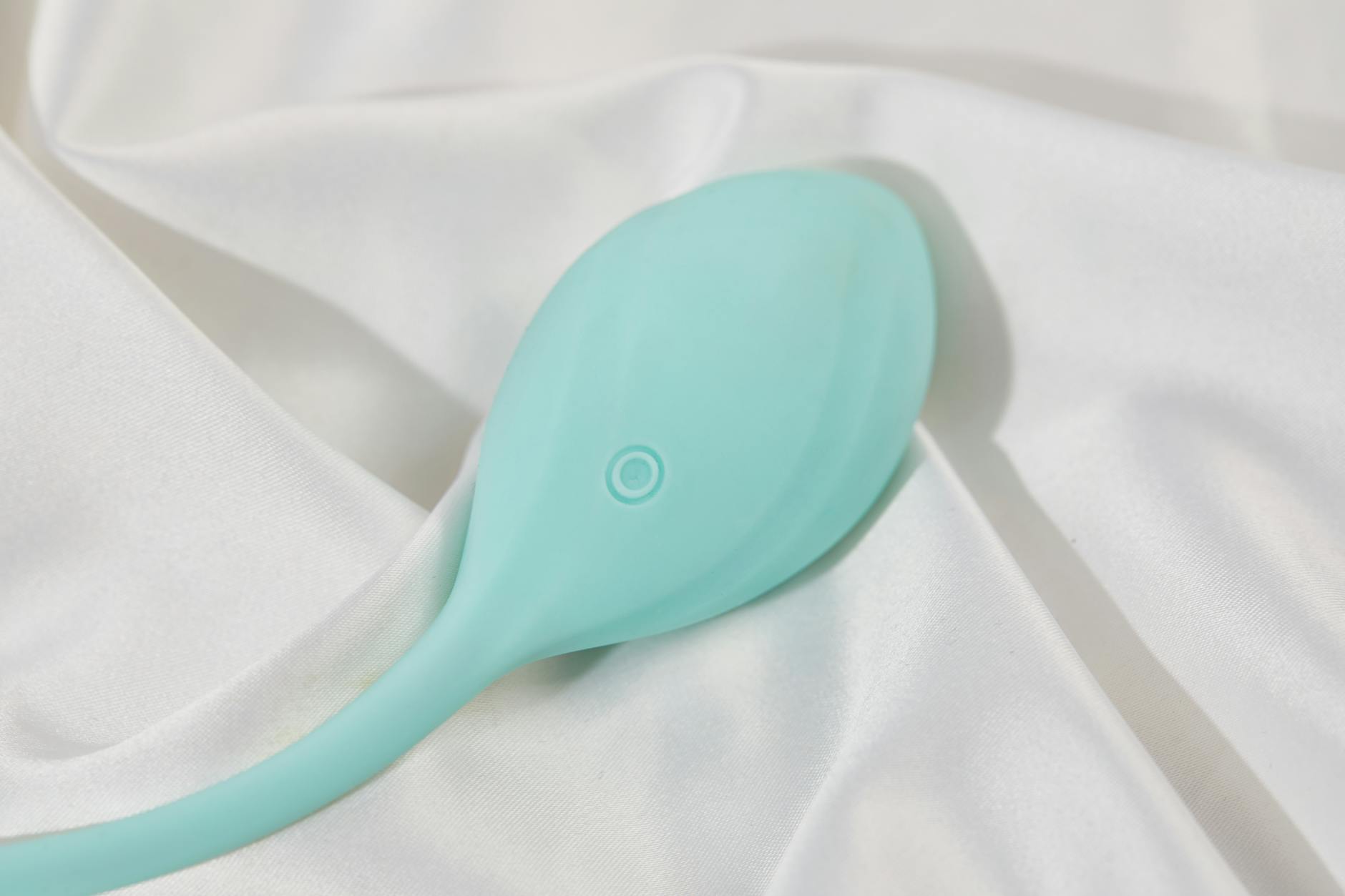
Sensitive skin shouldn't mean sacrificing pleasure. Here's exactly what to look for in a lemon clitoral vibrator, which materials are truly safe, and how to use one without irritation.
If you have sensitive skin or reactive tissue, the thought of using any vibrator probably triggers anxiety. You're not wrong to be cautious. But sensitive skin doesn't mean you have to choose between pleasure and comfort.
The key is knowing exactly what goes against your skin, which materials are genuinely body-safe, and how to use a lemon clitoral vibrator in ways that feel good instead of irritating. I've walked hundreds of clients through this, and the difference between the right choice and the wrong one is night and day.
Here's the counterintuitive part: suction-based lemon vibrators like the Lem are often gentler on sensitive tissue than traditional vibrators. Why? Because they work through gentle air-pulse stimulation rather than direct mechanical vibration against the skin.
Direct vibration, especially at high frequencies, can cause microtrauma to delicate tissue over time. Suction stimulates the nerves underneath the surface without that grinding friction. For people with lichen sclerosus, vulvodynia, or just naturally reactive skin, this is a game-changer.
That said, material matters enormously. A body-safe lemon toy used the right way transforms your experience. A toy made with questionable plastics or cheap silicone turns pleasure into itching and irritation within minutes.
Medical-grade silicone is non-porous, hypoallergenic, and doesn't leach chemicals. It's what's used in surgical implants. When a toy says "body-safe silicone," you want to verify it's medical grade, not just food-grade silicone that happens to be used in toys.
Medical-grade silicone feels smooth, cleans easily, and lasts for years without degrading. If a vibrator is marketed as silicone but feels slightly sticky, has a chemical smell, or leaves residue on your hands, it's not medical grade. Skip it.
Jelly rubber, PVC, and phthalate-containing plastics are common in cheap toys and absolutely not worth the risk for sensitive skin. These materials are porous, which means bacteria can lodge inside them. They also leach chemicals that cause irritation, allergic reactions, and in some cases, systemic issues with repeated exposure.
Clear or translucent toys are often a red flag. Medical-grade silicone can be clear, but it's expensive. Most transparent toys are made with cheaper plastics that look appealing on the shelf but cause real problems at home.
Stainless steel is another option if you prefer it. It's non-porous, doesn't degrade, and some people with severe sensitivities find it less irritating than silicone. The trade-off is that it conducts temperature and can feel cold until it warms up.
Even with a body-safe toy, individual reactions vary. Your skin might tolerate silicone beautifully but react to a specific lubricant. Here's how to test safely.
First exposure: Clean the toy thoroughly with warm water and a small amount of unscented soap. Let it dry completely. Apply a tiny amount of your chosen lubricant to a small area of your inner wrist or forearm and leave it for 15 minutes. If no redness or itching appears, you're probably safe.
Second exposure: Do the same patch test with the toy itself if it's new. Some people react to the toy material in isolation, others to the combination of material plus lubricant. A 20-minute patch test on less sensitive skin (inner arm or thigh) tells you a lot.
Third exposure: If both tests pass, you can try the toy. Start with the lowest setting, shortest duration (2-3 minutes), and stop immediately if you feel burning, unusual itching, or discomfort. Mild tingling or warmth is normal. Persistent irritation is not.
You can have the most body-safe toy on Earth and still have problems if you use the wrong lubricant. For sensitive skin, this is where most people fail.
Water-based lubricants are the safest choice for most people with sensitive skin. They don't damage silicone toys, they're easy to clean up, and they're typically free of irritants. But not all water-based lubes are equal. Glycerin-based lubes can feed yeast and create issues for people prone to infections. If you have that history, look for glycerin-free water-based options.
Silicone-based lubes are longer-lasting and feel richer, but they can't be used with silicone toys because the lube will degrade the toy over time. If you have a silicone lemon vibrator, water-based is your only real option.
Cocnut oil and other natural oils seem appealing but are porous and can harbor bacteria. They also don't clean up easily and can degrade silicone. For sensitive skin, they're more trouble than they're worth.
The rule I give clients: buy a small bottle of a reputable water-based lube designed for sensitive skin, test it on your forearm first, and if it works, stick with it. Brand consistency reduces variables and irritation.
Toys that aren't cleaned properly cause infections and irritation that have nothing to do with the material itself.
After every use, rinse the toy with warm water and a tiny drop of unscented dish soap. Dry it completely with a lint-free cloth. Moisture trapped inside or on the surface creates an environment where bacteria thrive. If you have sensitive skin or are prone to infections, this step is not optional.
Once a week, do a deeper clean. Submerge the toy in warm water with a small amount of toy cleaner or unscented soap for 5 minutes, then scrub gently with a soft brush. Dry thoroughly. Store it in a clean, dry place, ideally in a breathable pouch (not an airtight container, which traps moisture).
If you notice any discoloration, sticky residue, or chemical smell developing on the toy, it's breaking down. That's a sign to replace it, regardless of how new it is. A compromised toy causes more irritation than a fresh one.
Sensitive skin often means you don't need as much stimulation to feel pleasure. This is actually a gift, not a limitation. Many people with sensitive tissue report more intense orgasms at lower intensities because the nerve endings aren't being overwhelmed.
Start with pattern 1 on the Lem or the lowest setting on whatever lemon vibrator you choose. Most people assume they need maximum intensity because that's what they've experienced with other toys. But sensitive skin responds differently. You might find that pattern 2 or 3 feels incredible and pattern 5 feels raw.
Intensity tolerance also varies by day, by cycle, and by stress level. If you're stressed, dehydrated, or have just come off a period, your sensitivity threshold is lower. Check in with your body instead of assuming you need more power.
For sensitive skin, shorter, more frequent sessions often feel better than long ones. Fifteen minutes at moderate intensity feels better than 30 minutes at high intensity. Your tissue stays less irritated, and pleasure often peaks sooner anyway.
If you notice any discomfort, irritation, or soreness, stop. Wait a full day before using it again. If irritation persists after a break, see a dermatologist or gynecologist. What feels like a toy issue might actually be a skin condition that needs professional attention.
Many of my clients with sensitive skin find that using their lemon vibrator 2-3 times a week with deliberate breaks in between produces the best experience. More frequent use doesn't equal more pleasure when you have reactive skin.
This is where anxiety often kicks in for people with sensitive skin. You might feel warmth, tingling, or mild sensitivity after use and assume something is wrong. Here's how to know the difference.
Normal sensation after use: light tingling, warmth, slight flushing, mild sensitivity that fades within 30 minutes. This is just blood flow and nerve activation. It's fine.
Signs of actual irritation: burning that doesn't fade, visible redness or swelling that lasts hours, itching that appears hours or days after use, unusual discharge, or pain during or after. These are signals to stop and reassess.
If you experience actual irritation, wash the area with lukewarm water (no soap), pat dry, and apply a barrier cream like plain coconut oil or a hypoallergenic moisturizer. If it doesn't resolve within 24 hours, see a healthcare provider.
If you're new to lemon vibrators and have sensitive skin, the Lem is worth considering. Its suction-based design means you get intense stimulation without the harsh vibration that irritates delicate tissue. At the lowest settings, it's remarkably gentle. Many clients tell me it's the first vibrator that didn't cause irritation within the first few uses.
That said, everyone's skin is different. What works for one person might not work for another. The key is testing carefully, choosing body-safe materials, and listening to your body instead of pushing through discomfort.
If you have a history of vulvodynia, lichen sclerosus, contact dermatitis, or recurring yeast infections, talking to your gynecologist or dermatologist before introducing any new toy is smart. They can recommend specific materials and practices that work with your particular condition.
If irritation develops suddenly with a toy you've used comfortably for months, something has changed. The toy might be breaking down, your body chemistry might be shifting, or an infection might be developing. Don't assume it's permanent. Get it checked.
Sensitive skin is not a barrier to pleasure. It's just a signal that you need to be more intentional about your choices. That intentionality often leads to a richer, more responsive experience than people with robust skin ever get. Your sensitivity is information, not a limitation.
Vulvodynia is unpredictable. Some people find gentle suction-based toys like the Lem actually help because they don't create mechanical friction. Others find any stimulation irritating. The only way to know is to patch test carefully and start with the lowest intensity. A physical therapist specializing in pelvic pain can give you personalized guidance based on your specific presentation.
Medical-grade silicone is tested and manufactured to much stricter standards. It's non-porous and doesn't leach chemicals. Food-grade silicone is safe to eat but doesn't meet the same purity standards. On sensitive skin, medical-grade is always the better choice. Check product descriptions or contact the manufacturer directly if you're unsure.
Rare, but possible. Most reactions are to the lubricant or additives in cheaper silicone, not to the silicone itself. If you develop a rash, itching, or swelling after use despite thorough testing, you might have a true silicone allergy, which is extremely uncommon. See a dermatologist to confirm.
There's no universal rule, but 2-4 times per week with adequate breaks seems to be the sweet spot for most people with reactive skin. More frequent use increases irritation risk. Less frequent use might not give you enough feedback to understand your body's actual tolerance. Experiment and track what feels best.
Sometimes. Some people find that regular, gentle stimulation with proper care actually improves blood flow and tissue health, making their skin less reactive. Others stay consistently sensitive. It's individual. Don't push through discomfort expecting improvement. If gentle use feels good and irritation-free, continue. If it's always uncomfortable, explore other options or see a specialist.
Stop use immediately. Wash gently with lukewarm water, pat dry, and wait 24 hours. If it persists, see your gynecologist or dermatologist. If it clears up, you might need to change your lubricant, clean more thoroughly between uses, or simply use the toy less frequently. Track what changes and adjust accordingly.
If you're ready to explore what works for your body, start with the patch test, choose medical-grade materials, and give yourself permission to adjust as you go. Sensitive skin is not a reason to avoid pleasure. It's a reason to be more thoughtful about how you pursue it. And honestly, that thoughtfulness often leads somewhere really good.
If you have specific questions about what might work best for your situation, we're here to help. Get in touch.