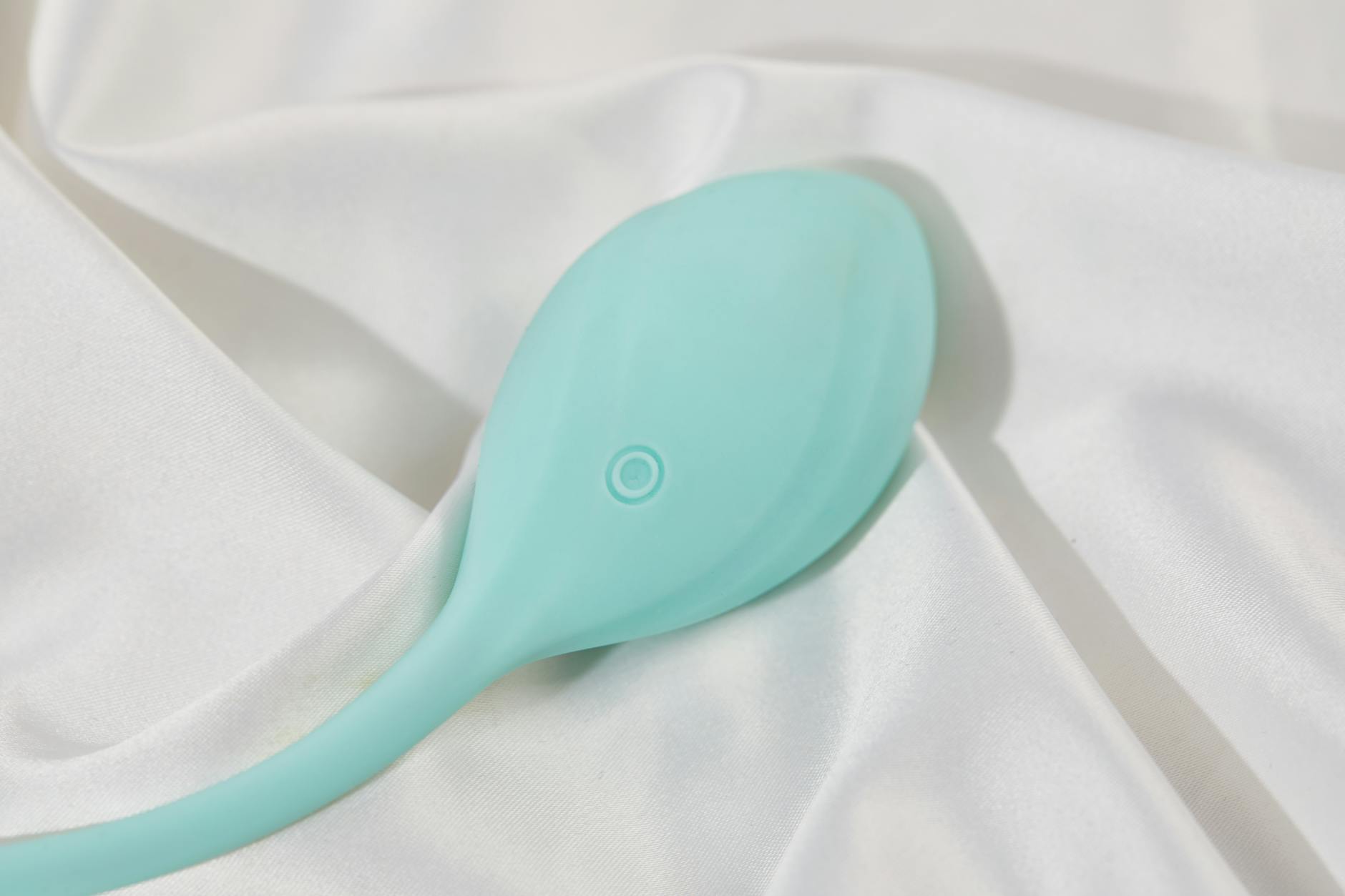
There's a moment in early intimacy when curiosity meets vulnerability, and introducing a vibrator feels like you're handing someone a report card on your pleasure. Will they think you're too needy? That you don't enjoy what they're doing? That something's wrong with you? The silence around this moment is deafening, which is exactly why it's so loaded.
Here's the reality: the right partner will see a lemon clitoral vibrator not as a threat, but as an invitation. A signal that you care enough about this connection to ask for exactly what feels good. That's not selfish. That's the entire foundation of sustainable intimacy.
Introducing toys after six months or two years feels like you're admitting something was missing all along. Introducing them at week four or month two? That's just you being clear about your pleasure from the start. The earlier you normalize it, the less weight it carries.
Couples therapists know this well. One of the fastest ways to build long-term sexual confidence is to establish communication about desire early, when the stakes feel lower and you're both still learning each other. Waiting until resentment builds or pleasure has flatlined is playing defense instead of offense.
Forget the elaborate lead-up. Don't manufacture an "organic moment" to drop it into conversation. Instead, choose a calm, clothed moment and say something like:
"I've been thinking about what feels best for my body, and I really like using a vibrator. I'd love to explore that with you when we're intimate. Are you cool with that?"
That's it. Three sentences. You've acknowledged your pleasure, named the tool, and asked for consent. No apologies, no framing it as fixing something broken.
If your partner says yes, great. If they hesitate, ask what's coming up for them. Fear of inadequacy is the most common worry, and it deserves a direct answer: "A vibrator isn't about you being not enough. It's about my body needing a specific kind of stimulation, and I want to experience that with you."
Physically introducing a lemon clitoral vibrator into early partnered sex is easier than you'd expect, because you're already doing most of the heavy lifting alone. The toy is just changing the tool.
Start with mutual exploration. Let your partner see it, touch it, ask questions. No mystery, no shame. "This is what I use when I'm alone. Want to see how it works?" Demonstration removes the weirdness faster than anything else.
When you move into partnered play, guide the interaction directly. Your partner likely has no idea what pressure feels good, where to position it, or what pattern works for your body. You do. Use your hand over theirs at first to show rhythm and intensity. This does two things: it keeps pleasure in your hands (literally) and it teaches your partner exactly what to do.
New partners worry about intensity. Will it feel too strong? Will you finish too fast? Will the sensation be weird between you?
Start on lower settings. Most lemon vibrators have 3-5 intensity levels. Begin at pattern 1 or 2 and work up. This also lets your partner see you respond gradually, which builds their confidence. There's something deeply connecting about watching someone's pleasure build in real time.
If you're moving between oral or manual stimulation and the vibrator, give your partner a heads up. "I'm going to use this for a bit" is all you need. Transitions feel intentional instead of surprising.
Your body might respond differently with a partner present than it does alone. That's normal and not a sign anything's wrong. Arousal involves your brain as much as your nerves, and a new person in the room changes the script. You might take longer to orgasm. You might have difficulty relaxing into it. You might find you climax faster than expected.
All of that is fine. The pressure to perform perfectly will torpedo the whole thing faster than anything else. Remind yourself and your partner that this is exploratory, not a final exam.
Some people worry about using a lemon clitoral vibrator during partnered sex because they think it might replace intimacy. It doesn't. It's adding a layer. You're still there. Your partner is still there. The toy is just bringing a specific sensation that hands or mouths can't replicate.
Intimacy is easier to build when both people feel seen and safe. If you're nervous about introducing a vibrator, your partner likely feels that nervousness. You can address it by being matter-of-fact about it.
Use language like: "I'm excited to try this together" instead of "I hope you're okay with this." The first assumes partnership. The second asks for permission in a way that creates distance.
If at any point your partner makes you feel shame about your pleasure, that's a red flag about the relationship itself, not about the toy. A partner who's threatened by your pleasure or your tools is someone worth examining more closely.
Once you've used a lemon vibrator together once, it becomes normal faster than you'd think. The second time feels routine. By the fifth time, it's just part of your sexual toolkit.
As you get more comfortable, you might notice different ways to incorporate it. Some couples use vibrators during foreplay, others during partnered penetration, others as the main event. There's no right answer, just what works for both of you.
One thing I always recommend: check in after. Not in a clinical way, but a genuine "How did that feel for you?" conversation. This keeps the dialogue open and reminds both of you that communication is the real foundation here.
Sometimes bringing up pleasure tools surfaces deeper misalignment. Maybe your partner has hang-ups about sexuality that a vibrator just made visible. Maybe you've been suppressing desires that introducing a lemon clitoral vibrator suddenly brings into focus. Maybe you realize you want very different things sexually.
That's not a failure. That's useful information. If you're three months into a relationship and you already know you're incompatible sexually, you have time to decide if that's a deal-breaker or something to work through together. Late-stage resentment is so much harder to navigate.
When you introduce a toy early, you're not just normalizing vibrators. You're telling your partner (and yourself) that your pleasure matters enough to ask for what you need. That takes courage, and it's the exact muscle you want to develop in any relationship worth staying in.
New partners often surprise you with enthusiasm once you get past the initial awkwardness. Many people have wanted to explore toys themselves but felt too vulnerable to suggest it. You bringing a lemon vibrator into the room might be permission for your partner to admit they've been curious too.
Insecurity is real and worth taking seriously, but it's not your responsibility to hide your pleasure to manage it. Have an honest conversation about what's underneath the feeling. Often it's fear of inadequacy. A direct response like "Your hands and mouth feel incredible. This toy does something different, and I want to experience both" can help. If your partner consistently makes you feel bad about your own pleasure, that's a relationship issue, not a vibrator issue.
There's no magic number. If you're already intimate, you're not too early. If you're still figuring out chemistry, you can wait. The best timing is when you're both relaxed and clothed, not mid-intimacy. Some people bring it up on date two. Others on date eight. What matters is that you feel comfortable and your partner is receptive.
Yes, if that feels right. Demonstrating exactly how you use a lemon clitoral vibrator removes mystery and shows your partner you're comfortable with it. It also gives them a roadmap for how to use it with you later. Some people find this hot. Others find it awkward. Know yourself.
This comes up more than you'd think. Your partner needs to understand that your body's wiring isn't about them. You're not rejecting them. You're working with your nervous system. Many vulva owners need clitoral vibration to orgasm consistently. That's not a character flaw or a reflection on your partner's skills. It's just anatomy. The vulnerability here is actually teaching your partner how your body works, which is the opposite of rejection.
Absolutely. Many people do. Some new partners love it because it often means easier orgasms and longer intimacy. Some worry it's weird or distracting. You won't know until you try. Start with the conversation, then with lower intensity during partnered time. Let your partner see how it fits into the bigger picture of intimacy, not as a replacement for anything.
Pay attention to their words and body language. Are they engaging? Asking questions? Positioning themselves to watch? Or are they quiet, tense, or checking out? If you're unsure, ask directly. "I want to make sure this feels good for you too" opens the door for honesty. If your partner is genuinely uncomfortable, you'll want to know that now.