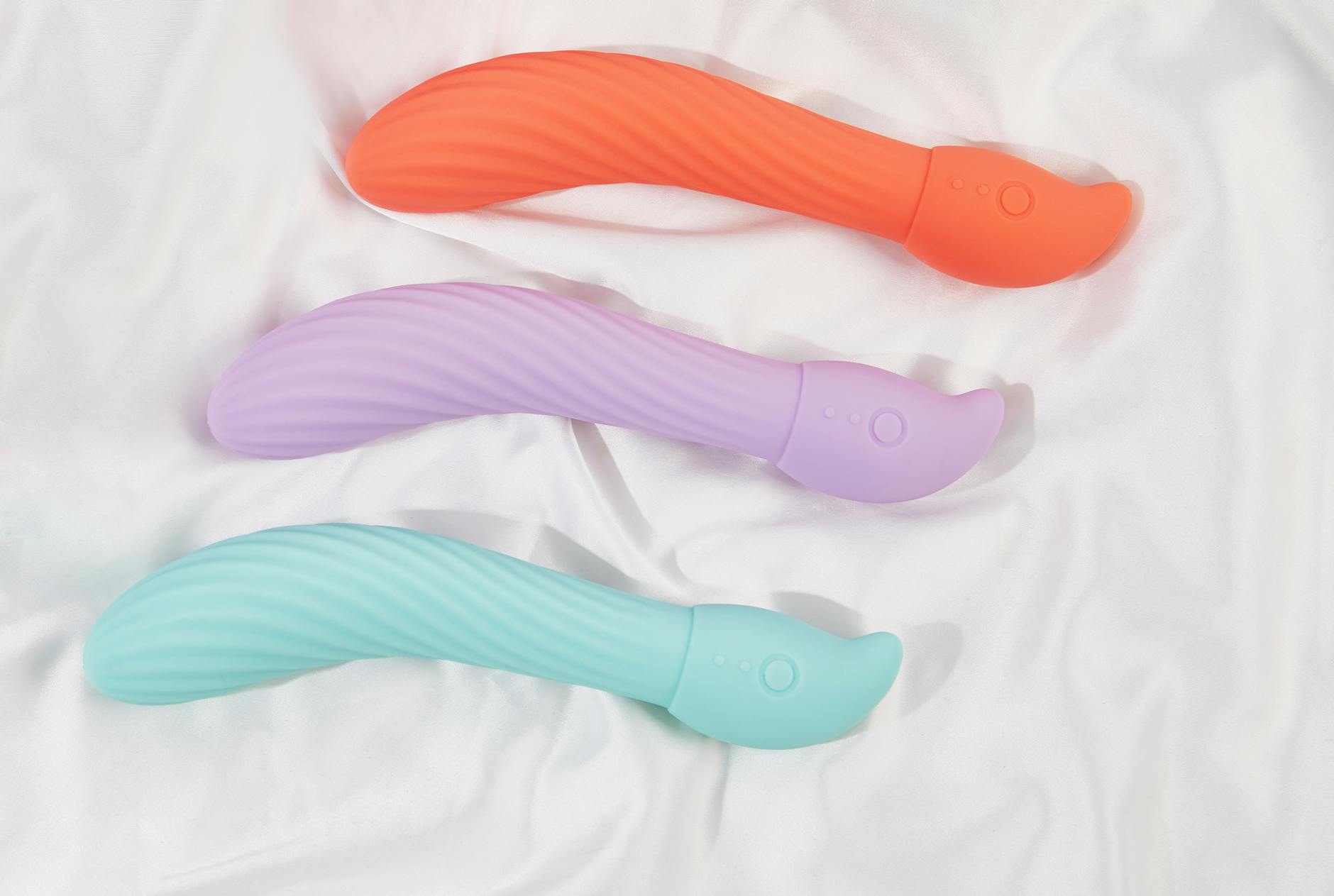
How to Use Lemon Vibrators After a Long Break From Sex
Months or years away from pleasure doesn't mean you've forgotten how to feel it. Here's how to ease back in, rebuild trust in your body, and use clitoral vibrators to rediscover what turns you on.
Let's be real. Whether it's been six months or six years, stepping back into sex and pleasure after a break feels weird. Your body might feel unfamiliar. Your confidence might be shaky. You might wonder if you even still want this, or if you're "broken" for taking time away.
Here's what actually happens when you pause sexual activity for a while. Your pelvic floor muscles relax and sometimes weaken. Your mental associations with pleasure fade a bit. You might feel rusty, uncertain, or even anxious about performance or whether your body will "cooperate."
But the neural pathways are still there. Your clitoris still has the same nerve density it always did. Your body hasn't forgotten pleasure. It's just gotten quiet.
The real barrier isn't your body. It's usually one of three things: anxiety about whether you're "still interested," shame about the time that's passed, or practical uncertainty about how to start again without it feeling awkward or pressured. A lemon clitoral vibrator addresses all three because it puts you completely in control and requires zero performance.
If you're getting back into pleasure after a break, a quality clitoral vibrator is one of the gentlest reintroductions available. Here's why.
First, they offer graduated intensity. You don't have to go from zero to full-speed stimulation. A lemon vibrator like the Lem starts at lower intensity levels and builds from there, letting your body remember sensation gradually.
Second, they're completely silent in your head. No performance, no audience, no "what if I can't," just sensation. That mental quiet is huge when you're rebuilding confidence.
Third, lemon sexual toys and clitoral vibrators in general are designed for external stimulation, which means zero pressure around penetration or "going all the way." If your break included trauma, grief, relationship changes, or just burnout, this permission to slow down is essential.
Longest sessions don't equal best sessions. Most people restarting after a long pause feel pressure to "make it worth it" by chasing an orgasm immediately. That's backward.
Your first few sessions are about sensation, not outcome. Set aside 20 minutes in a space where you won't be interrupted. Silence your phone. You're not trying to come. You're trying to remember what pleasure feels like.
Start clothed. Explore the lemon vibrator with your hands first. Feel the weight, the shape, the controls. There's zero pressure to use it on your body right away. Many people spend 5 to 10 minutes just getting comfortable holding it.
When you're ready, start with the lowest intensity setting on external, non-genital areas. Inner thigh. Hip bone. Collarbone. The goal is to wake up your nerve endings and rebuild your relationship with physical sensation without genital anxiety.
Your parasympathetic nervous system (the "rest and digest" system) controls arousal. If you've been in stress, grief, or shutdown for a long time, this system is offline. You can't think your way into turned on.
Three things help rebuild this:
Temperature and texture. A warm shower before a session. Soft sheets. Clothes that feel good on your skin. These aren't luxuries. They're nervous system medicine.
Breath work. Seriously. Before you touch the lemon vibrator, spend two minutes breathing slowly. In for a count of four, hold for four, out for six. This signals safety to your body.
Curiosity, not goals. The moment you're hunting for an orgasm, you've left curiosity behind. Approach the lemon clitoral vibrator like you're testing it out, exploring, seeing what happens. This removes the "succeed or fail" framework that kills arousal.
Once you're comfortable with the vibrator on other parts of your body, you can introduce it to your genitals. Still lowest intensity. Still no pressure to respond in any particular way.
Many people notice that the first few times, sensation feels dulled or strange. That's normal. Your vulva has been dormant. It takes a few sessions for the nerve endings to "wake up" and start signaling pleasure clearly again.
If it feels uncomfortable or numb, stop. Don't push through. Your body's job right now is to say "this is safe," not "this feels amazing." Comfort comes first.
If you feel emotional during this process, that's also normal. Tears, unexplained sadness, or even laughter are all part of reawakening sensation in a body that's been shut down. You're not broken. You're thawing.
Once you're comfortable with the lemon vibrator on genital tissue, you can start experimenting with patterns and intensities. Most clitoral vibrators have multiple patterns beyond simple vibration. You might find that pulsing feels better than steady vibration. Or vice versa.
Speed doesn't equal better. Intensity doesn't equal better. Better means "what feels good to this body, right now." Which changes session to session.
If you're working with a partner during this reintroduction, this is a good moment to loop them in. Not in a "perform with your partner watching" way, but in a "I'm exploring on my own and I want you to know what I'm doing" way. You're rebuilding your own pleasure first. Partnership happens after that foundation is solid.
Honestly? Not until you've had at least three sessions where you didn't care whether you came. That might sound backward, but it's exactly the inverse of how most people approach this. Orgasm anxiety is one of the biggest blockers for people restarting after a break.
Once you've had sessions focused purely on sensation, orgasm often follows naturally. Or it doesn't. And that's fine too. The goal is to get back to a place where you're curious about pleasure, not chasing it.
Some people find that after a long break, orgasm looks different. Quieter. Shorter. Less rhythmic. That's not failure. That's just how your body responds right now. It will likely shift again as you rebuild your practice.
Many people taking a break from sex feel guilty about it. "I should want this more." "What if my partner thinks I don't find them attractive?" "Am I broken?" These thoughts are so common they're almost universal.
Here's what I tell clients: breaks are healthy. They're not failures. Sometimes your body and brain need to opt out for a season. That's not broken. That's normal.
If you're in a relationship and you've both agreed to pause, that's one conversation. If you're restarting solo after a break you needed, that's another. Either way, the shame serves nobody.
Using a lemon sexual toy is not a substitute for partnered sex or intimacy. It's a way to rebuild your own pleasure foundation so that when you're ready for partnership again, you're coming from a place of "I like feeling good" rather than "I should be able to feel something."
After four to six weeks of regular practice with your lemon clitoral vibrator, you'll likely notice that your body's responding faster, sensation feels clearer, and arousal builds more naturally.
This is when you can experiment more. Different patterns. Longer sessions. Multiple orgasms if that interests you. Different times of day. The foundation is solid, so now you can play.
If you hit a plateau where sensation dulls again, that's often a sign your nervous system needs a break. Take three to five days off. Then restart. This isn't failure. It's your body's way of regulating intensity.
Pleasure after a long break isn't just about the lemon vibrator. It's about rebuilding trust with your own body and permission to want things for yourself. If you've been in grief, stress, or a relationship that wasn't supporting your pleasure, this process takes emotional work too.
Consider working with a therapist or sex-positive coach if you find yourself stuck in shame or anxiety. This isn't weakness. It's how you make sure the pleasure you're rebuilding is actually yours, not something you think you should want.
You're not getting back to where you were before the break. You're building something new, informed by everything you've learned and felt since then. That version of pleasure is often richer.
How long does it take to feel normal again after a break from sex?
Every body is different, but most people feel significantly more comfortable with sensation and arousal after four to six weeks of regular practice with a clitoral vibrator. That doesn't mean instant orgasms or full desire returning. It means your nervous system has started to recognize pleasure as safe again.
Can I use a lemon vibrator if I'm anxious about sex?
Yes, actually. Solo use is often easier than partnered sex for people with anxiety because there's zero performance pressure. You control the pace, intensity, and stopping point entirely. Many people find that rebuilding pleasure solo first makes partnered sex feel more relaxed later.
What if I don't feel anything the first few times?
Completely normal. Numbness is your body's way of saying "I'm not sure this is safe yet." Keep sessions short, stay curious rather than goal-focused, and give yourself permission for it to feel weird. Sensation usually returns within three to five sessions.
Should I tell my partner I'm using a lemon vibrator while we're taking a break?
That depends on your relationship agreements. If you've both agreed to pause together, transparency is usually healthier than secrecy. Frame it as "I'm rebuilding my own comfort with pleasure" rather than "something's wrong with us." You might find that partner also wants to restart, or that this opens a conversation about what you both need.
Is it normal to feel emotional during this process?
Yes. You're waking up nerve endings and reestablishing connection with your body. Grief, anger, and joy can all surface. That's not a sign something's wrong. That's a sign something's working. Let the emotions move through without judgment.
How do I know if I actually want pleasure or if I'm just doing this because I think I should?
If you're dreading it, stop. Genuine desire to explore might be quiet and hesitant, but it shouldn't feel forced. Start smaller than you think. Notice what creates genuine curiosity versus what feels obligatory. Your body will tell you the difference if you listen.