Vaginismus is involuntary muscle tension in the pelvic floor. When arousal or penetration is attempted, the muscles contract. This is a reflex, not a choice, and it's wildly common. Vulvodynia (chronic vulvar pain without an obvious cause) and provoked vestibulodynia (pain at the vaginal opening) fall into a similar bucket. They're real. They hurt. And they don't mean your body is broken.
Here's what matters: none of these conditions affect your clitoral nerve pathways. Your capacity for orgasm is intact. But most conversations about treating vaginismus focus on penetration recovery, leaving pleasure completely off the table. That's a missed opportunity.
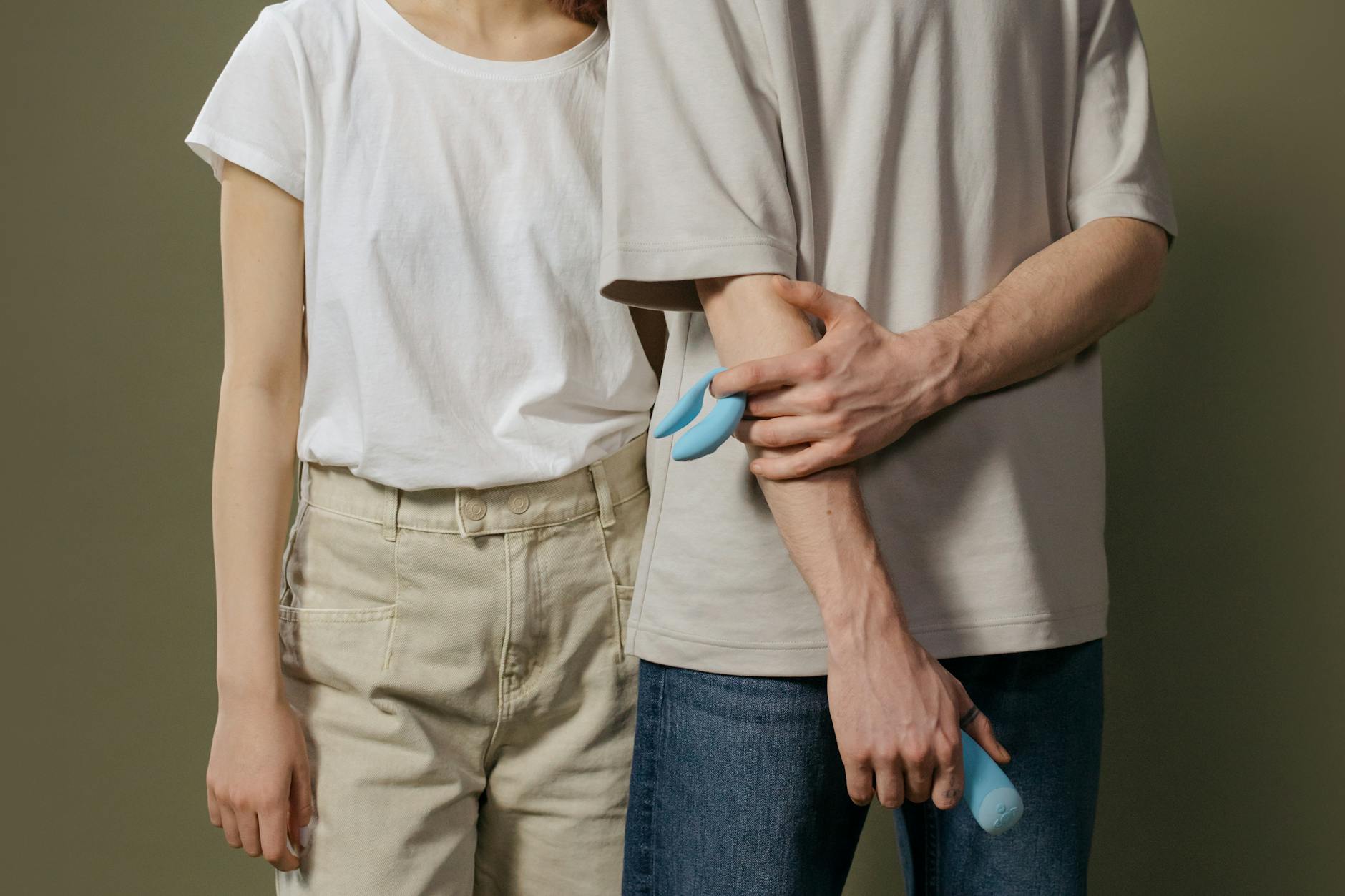
Clitoral vibrators like the Lem exist in a totally different lane. They bypass the painful areas entirely and help you reconnect with sensation on your own terms.
The clitoris has 8,000 nerve endings, almost all of them in the external part. When you're managing vaginismus or penetration pain, external clitoral work is where pleasure actually lives right now. A quality clitoral vibrator applies gentle, rhythmic pressure to an area that's separate from whatever trauma or tension lives in your pelvic floor.
This separation is crucial. Many people with penetration pain have learned to associate all sexual touch with discomfort. Using a lemon vibrator retrains your nervous system: this touch is safe, this touch feels good, this touch is about you. That's foundational work.
Air-suction toys like Hello Nancy's Lem work particularly well here because they create a gentle seal and rhythmic pulse rather than intense vibration. For someone whose pelvic floor is already overactive, that softer approach can feel less triggering while still delivering satisfying stimulation.
If you have vaginismus or penetration pain, your nervous system is already in a heightened state. That means standard vibrator intensity settings may feel too much. Here's how to rebuild:
Start with the Lem on pattern 1 or 2. These are the gentlest settings. Your goal isn't orgasm on day one. It's sensation without fear. Spend 5-10 minutes just exploring what it feels like. No pressure to finish anything.
Many people find that lighter, pulsing patterns feel safer than constant buzz. The rhythm gives your nervous system something predictable to follow. Predictability breeds safety. Safety breeds arousal.
Take your time with warm-up. Budget 15-20 minutes of gentle foreplay (touch, breathing, whatever you need) before introducing the vibrator. Your pelvic floor tension didn't develop overnight. It won't release in five minutes either.
Here's something therapists talk about but toys can't do alone: your breath. When someone with vaginismus starts to feel arousal building, the instinct is often to tense up. The pelvic floor contracts as if bracing for pain. This becomes the pattern.
When using a lemon vibrator, set an intention to breathe deeply. In through your nose, out through your mouth. Slow, audible exhales. This activates your parasympathetic nervous system. Your body learns: this is safe, I can let go.
If you feel tension rising, pause the vibrator. Keep breathing. Notice what's happening without judgment. Your job is to become aware of the pattern, not to perform through it.
Many people with penetration pain benefit from working with a pelvic floor physical therapist alongside pleasure exploration. The therapist addresses muscle tension directly. The vibrator helps you integrate pleasure into the recovery process.
Find a position where you're totally supported. Lying back with pillows under your hips. Sitting reclined. Whatever feels safe and accessible. Your body will tell you when it's relaxed enough to receive stimulation.
If you're in a relationship, some people find it helpful to use the vibrator alone first. Building solo pleasure confidence creates a buffer against performance pressure. Others prefer to have their partner present but not involved. That's your call.
Many people with vaginismus experience what I call the spectator role. They're watching their body instead of feeling in it. Using a vibrator privately, without an audience (real or imagined), can help you drop into sensation more fully.
As your nervous system relaxes, you might notice arousal building more easily. Maybe your first orgasm with a vibrator happens after a few weeks. Maybe it takes longer. Both are normal. The nervous system reprograms at its own pace.
When you do orgasm, it might feel different than you expected. Smaller, quieter, more internal. That's not wrong. It's actually what we want to see. A full-body clench is your pelvic floor contracting again. A softer, more diffused release means those muscles are finally letting go.
If you have a partner, they need context. Vaginismus isn't about them. It's not a reflection of desire. Using a vibrator isn't a step toward "normal" sex in a traditional timeline. It's about reclaiming your body on your terms.
The clearest partners understand this: watching your partner explore pleasure safely is actually incredibly intimate. Penetration can come later, or it might not come at all. Both outcomes are fine.
If pelvic floor tension is severe, a pelvic floor physical therapist trained in pain can do wonders. They teach you to actually relax those muscles, not just be aware of them. A gynaecologist or sex therapist who specializes in pain conditions can also help rule out other causes and support your recovery.
Vaginismus responds really well to a combined approach: professional support for the physical tension plus your own pleasure work with tools like the Lem. One without the other is slower.
Not if you approach it gently. If you push through pain or use intensity that triggers your pelvic floor to clench, yes, that's counterproductive. The key is staying in the green zone. Pressure that feels good, not pressure that causes pain or triggers defensive tension. If the vibrator ever feels frightening, pause and breathe. Your pace is the right pace.
Orgasm isn't the goal right now. Sensation without fear is the goal. Many people with vaginismus have never experienced pleasure that doesn't come with tension or worry. The vibrator is teaching your nervous system that arousal exists without pain. Orgasm often follows once that foundation is solid, but it's not the finish line.
Absolutely. Some people find it deeply reconnecting to have a partner apply gentle vibration while they focus on breathing and sensation. The partner becomes a support rather than the source of pain. Start with really clear communication about what feels good and what triggers tension. Pause frequently. Build trust through slowness.
Completely normal. The clitoris and the vaginal opening are separate systems with different nerve pathways. Someone can have significant tension in the pelvic floor and vaginal opening while maintaining full clitoral sensitivity. That's actually really useful information. It tells you where the pain lives and where pleasure still works.
Start with once or twice a week, 10-15 minutes. Consistency matters more than intensity. You're teaching your nervous system a new pattern: touch equals safety equals pleasure. That takes gentle, repeated exposure. As you get more comfortable, increase frequency if you want to. Listen to what your body is asking for.
Stop immediately. Take some time to breathe. Notice what triggered you without judgment. Your nervous system is protecting you based on past experience. That's not a failure. It's information. Over time, as you practice staying in arousal without the pain that used to follow, that protective reflex softens. Work with a therapist if triggers feel overwhelming.
Vaginismus and penetration pain live at the intersection of physiology, psychology, and relationship dynamics. A vibrator is one tool. It's not a cure by itself. But it's a really important one because it reconnects you with the part of your sexuality that's completely intact.
Your capacity for pleasure didn't disappear when the pain showed up. You're not broken. You're just rebuilding trust with your own body. That takes time, gentleness, and the right tools. Hello Nancy's lemon vibrators are designed exactly for this kind of careful, exploratory work. Use them that way, and you'll find your way back to sensation.
Ready to start? Grab the Lem, set aside some solo time, and just breathe. Your nervous system will do the rest.