After an argument or a period of tension, many couples notice that physical affection stops first. A fight about finances becomes a week of separate bedrooms. A misunderstanding about effort turns into silence. Before long, the gap between you has less to do with the original conflict and more to do with the fact that you've stopped touching.
Here's what I see in my practice: couples often wait for the emotional work to be finished before they reconnect physically. That's backward. Touch is part of the emotional repair. Pleasure, especially when it's intentional and shared, can rebuild trust and vulnerability faster than another apology.
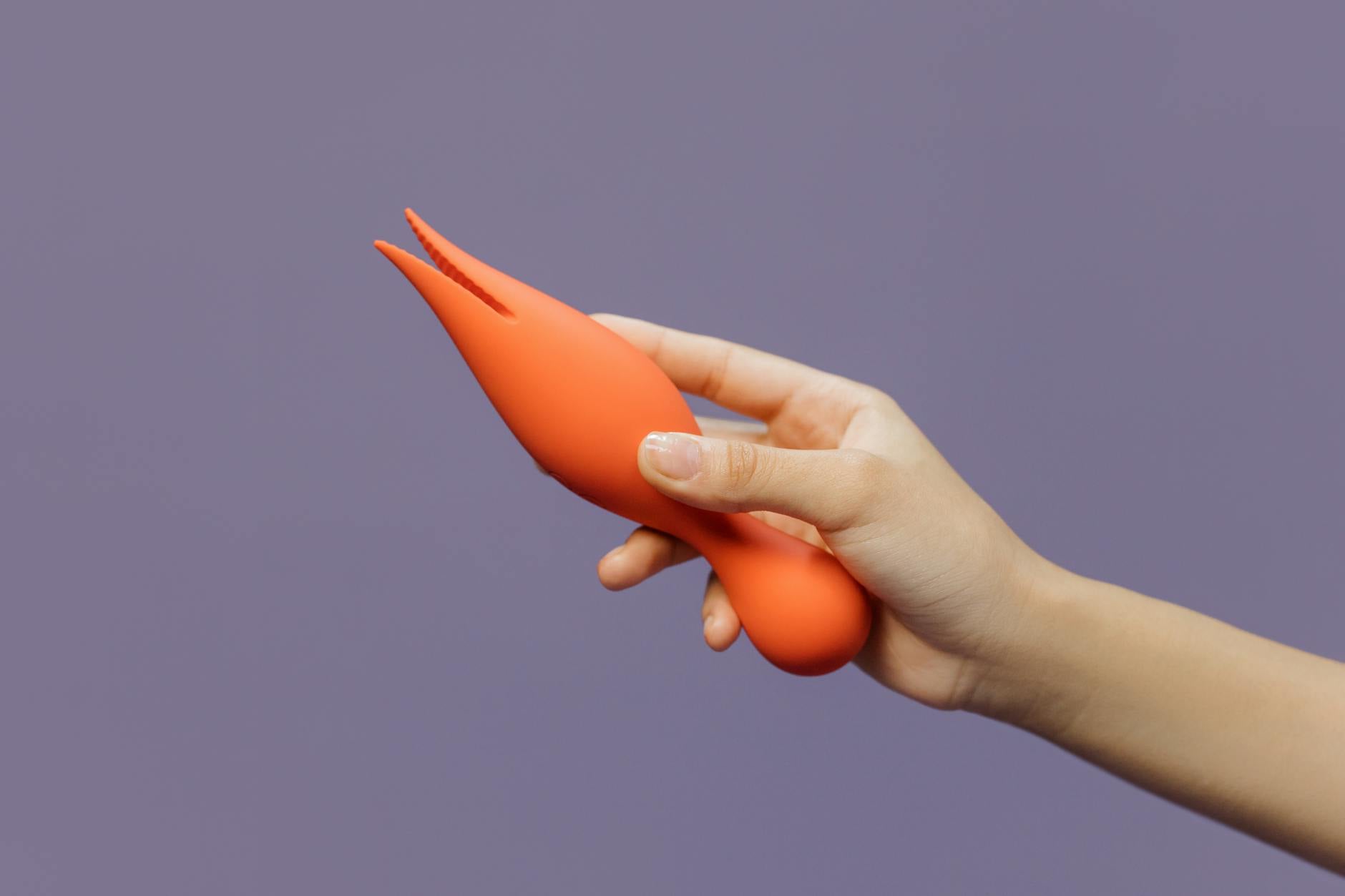
That's where lemon vibrators come in. They're not about fixing the relationship. They're about creating a bridge back to your partner's body when the usual paths feel too risky.
Think about what happens when you're hurt or angry. Your nervous system goes into protection mode. You stop trusting touch. Your partner reaches for your hand and your first instinct is to pull away. That's not lack of love. That's survival.
A vibrator reframes the interaction. It's not your partner directly touching you (which still feels loaded). It's an object, a tool, something external that creates sensation without the weight of recent hurt. You can feel pleasure without the vulnerability that comes with direct skin contact.
Second, vibrators shift the dynamic from "we need to talk" to "we want to play." After conflict, couples often get stuck in a performance loop. You apologize. Your partner says they forgive you. But neither of you actually feels safe enough to let the guard down. A lemon clitoral vibrator breaks that loop because it requires actual relaxation. You can't fake an orgasm or fake the nervous system settling into pleasure.
Third, using a vibrator together is a form of communication. You're saying: "I see you as a sexual person, not just as someone I fought with." That's powerful.
Here's the crucial part: this only works if both partners want it. That means you need a conversation before clothes come off.
I recommend waiting at least 48 hours after the conflict. You need enough distance that acute anger has cooled, but not so much time has passed that resentment has calcified. Three to five days is often the sweet spot.
When you bring it up, be specific and low-pressure. Instead of "We should have sex," try: "I miss touching you. I'm thinking about trying something that might help us both relax together. Would you be open to that?" Notice that you're naming what you miss (touching), what you want (relaxation), and what you're proposing (trying something specific). You're also asking for consent, not demanding it.
If your partner says no, honor that. There's no timeline for this. Some couples reconnect physically a week after conflict. Others need longer. Both are okay.
Forgot everything you know about "setting the mood." Candles and rose petals feel forced after conflict. What actually works is removal of obstacles.
Choose a time when you won't be interrupted. Close the door. Silence your phones. Tell kids you need privacy. This isn't about romance. It's about safety.
Start with conversation, not touching. Sit next to each other, not across. Proximity matters. One person can share what they're nervous about ("I feel weird being vulnerable right now") and the other can simply listen. No fixing. No defending. Just listening.
Then, move to touch that's not sexual. Hold hands. Hug longer than usual. Let your nervous systems remember that this person is safe. This takes longer than you think it should. Budget 15 to 20 minutes.
When you introduce the lemon vibrator, do it casually. This is just a toy. It's not a last resort. It's not a fix. It's a tool. Take it out, show it, let your partner hold it, ask what settings they're curious about.
Phase one: solo exploration. If your partner has never used a lemon vibrator before, they should try it alone first. This isn't about excluding you. It's about removing performance pressure. They need to know how it feels, what intensity they like, where they like it, so that when you're together, they can guide you instead of figuring it out on the fly.
Set a date for this. "Friday night, solo time. Saturday we reconnect." This gives you both space and a clear forward plan.
Phase two: guided play. You're both in bed. Your partner is in control of the lemon vibrator. Your job is to simply be present. You can touch them elsewhere. You can kiss. You can talk. But the vibrator is theirs. This is crucial. After conflict, ceding control back to your partner is a form of trust-building.
Start with lower intensity settings. Most lemon adult toys have multiple patterns. Your partner might begin at setting two, move to three if it feels good, maybe explore a different pattern on a different area. You're not trying to reach orgasm. You're trying to reach relaxation.
This phase usually takes 15 to 25 minutes.
Phase three: shared pleasure. Once your partner is warmed up and feeling good, you can ask if they want you to hold the vibrator. Most couples find this is where genuine reconnection happens. You're moving the toy based on their breathing, their feedback, their pleasure. It's intimate without being the vulnerability of raw skin-on-skin contact.
If orgasm happens, great. If it doesn't, that's also okay. The point isn't the outcome. The point is that you've spent 45 minutes focused on each other's bodies and pleasure instead of whatever conflict you're repairing.
Here's what I tell couples: don't jump into talking about the original conflict immediately. You've just rebuilt nervous system safety. Talking about finances or resentment will interrupt that.
Instead, stay close. Cuddle. Kiss. Touch each other without the vibrator. Let your bodies remember that they like each other. This phase lasts 10 to 15 minutes minimum.
After you've both settled, you can talk. But notice the difference. You're now speaking from a body that's felt pleasure, from a nervous system that's calmed down. The conversation will be different.
Many couples find that rebuilding physical intimacy after conflict actually creates space to address the original issue more honestly. You're not defending. You're not stuck in blame. You're just two people trying to connect.
Don't use vibrators as a Band-Aid. If you fight constantly, a lemon clitoral vibrator isn't going to fix your communication. You need a couples therapist.
Don't skip the conversation. Just showing up with a toy feels aggressive after conflict. Talk first. Get consent. Make sure you're both actually open to this.
Don't rush the warm-up. The longer you spend on touch without the vibrator, the better the result when you introduce it. I know this feels obvious, but couples rush this all the time.
Don't make it about performance. If your partner can't orgasm during the reconnection session, that's not a failure. Some people's nervous systems take longer to settle after stress. Some days orgasm just doesn't happen. That doesn't mean the intimacy didn't work.
If your conflict involved infidelity, betrayal of trust, or abuse of any kind, vibrators aren't the bridge. You need professional help. A sex therapist or couples counselor trained in trauma can help you rebuild, but solo pleasure devices aren't the tool here.
If your partner has explicitly said they don't want to reconnect physically right now, respect that completely. Some people need more time. Some people need words and actions before bodies touch again. Forcing a reconnection session will create more distance, not less.
What I've learned working with couples is that conflict is inevitable, but disconnection isn't. Every fight is an opportunity to practice reconnecting. And the more often you practice rebuilding that bridge quickly, the easier it gets.
Using a lemon vibrator after conflict isn't about the toy. It's about saying to your partner: I choose you. I want to feel close to you again. I trust that we can rebuild this. That message, delivered through pleasure and presence, is what actually heals.
At least 48 hours, ideally three to five days. This gives acute anger time to cool while preventing resentment from settling in. The goal is far enough away from the conflict that you can think clearly, but close enough that you're still motivated to rebuild. If your partner needs longer, that's information too. Honor their pace.
No. A lemon vibrator can rebuild physical intimacy and help your nervous systems settle, which creates better conditions for emotional repair. But it's not a substitute for addressing the underlying issue. If you fight about the same thing repeatedly, you need to solve that problem directly, possibly with a therapist. Pleasure is a bridge, not a destination.
That's completely valid. Some people need to feel emotionally safe before they can feel physically vulnerable. In this case, start with lower-stakes touch: hand-holding, kissing, massage without any toys. The vibrator can come later, or never. The reconnection is what matters, not the specific tool.
Completely normal. Conflict triggers your fight-or-flight response. Your body is in protection mode, which shuts down arousal. This is why the extended warm-up phase is so important. You're literally waiting for your nervous system to downshift from threat-alert to safety. This takes time and consistent gentle touch.
Be direct and low-pressure. "I've been thinking about us reconnecting. I read about couples using vibrators after conflict to rebuild closeness. I'm curious if you'd be open to trying that with me." Notice you're naming what you've learned, what you want, and asking for consent. That clarity removes most of the awkwardness.
Start with what you have. If you already own a lemon vibrator or any clitoral vibrator, that's your tool. If not, Hello Nancy's entry-level options like the Uno or Berri are under $70. But honestly, the cost of the toy matters way less than the intention behind using it. Even a basic toy, used with presence and care, does the work.