How to Use Lemon Vibrators When Arousal Takes Longer to Build With Age
Your body isn't broken. It's just operating on a different timeline. Here's what changes, why it matters, and how lemon clitoral vibrators fit into the new rhythm.
Arousal doesn't get slower after 40. It gets different. And if you treat it like it's broken instead of just rewired, you'll miss what's actually happening: your body is asking for something it didn't need before.
Most of us grew up assuming arousal was a light switch. You flip it, and you're ready. But around 40, that switch starts acting more like a dimmer. The on-ramp gets longer. Blood flow takes a beat to redirect. Clitoral tissue needs more time to engorge properly. And here's what I tell clients: that's not a defect. That's information.
Let's start with the physiology because it matters. Estrogen gradually declines starting in your mid-30s, but the real shift shows up around 40 when the decline accelerates. Less estrogen means thinner vaginal tissue, less natural lubrication, and reduced blood flow to the vulva. Your clitoris still works exactly the same way neurologically, but the plumbing has to work a little harder to get there.
This isn't unique to menopause. This starts happening in your early 40s, sometimes even late 30s. And it keeps changing. What you experience at 42 will be different at 48.
Your nervous system also shifts. The sympathetic nervous system, which handles arousal, becomes slightly less responsive to the same stimuli that worked at 25. You need more input, more time, more deliberate attention. That's not weakness. That's your brain and body asking you to slow down.
Many people also report that mental clutter gets louder with age. Work stress, relationship fatigue, family obligations, body image shifts, grief. Arousal can't climb very high when your nervous system is running a background load of anxiety. Your body is protecting itself by keeping arousal on low until it feels genuinely safe.
All of this is completely normal. And none of it means your capacity for pleasure has shrunk.
Before we talk about tools, let's talk about what you're actually experiencing. When people say "arousal takes longer," they usually mean one or more of these things:
It takes longer to feel interested in the first place. This is often mental clutter, not physical. Your body hasn't fired up the arousal cascade yet because your mind is still half on tomorrow's meeting.
You can feel some arousal but it plateaus. You're turned on, but mildly. The feeling doesn't intensify without continuous, sustained input.
Physical arousal lags behind mental arousal. You're genuinely interested, but your vulva isn't lubricated yet. Blood hasn't pooled in your clitoris. There's a time gap between thinking about sex and your body being ready.
Sensitivity feels lower overall. The same touch that made you gasp at 30 now barely registers. You need more direct, consistent stimulation to feel anything.
Here's what I've noticed: most people address this by pushing harder. Doing the same thing longer. That sometimes works, but it also burns you out.
The better approach is to change the input, not just extend it.
This is where tools like lemon vibrators become genuinely useful, not as a band-aid but as a precision match for what your nervous system actually needs right now.
Traditional vibration works at a fixed frequency. Most vibrators buzz at around 80-150 Hz. That's a constant, unvarying input. For bodies that need more stimulus, that can feel like white noise. Your nervous system habituates to it. After five minutes, it feels like nothing.
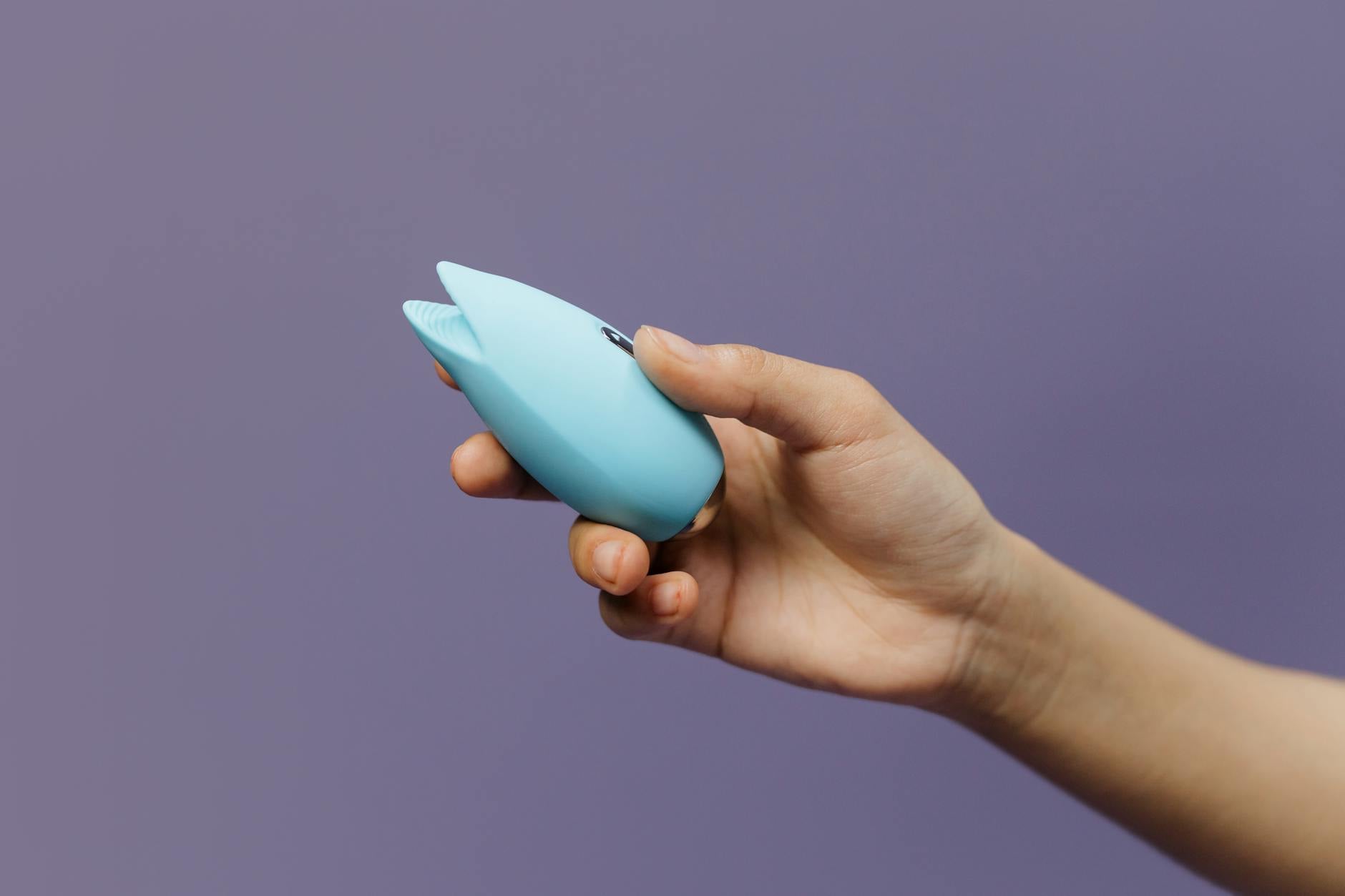
Lemon clitoral vibrators, specifically air-suction designs like the Lem, work differently. Instead of vibration, they create gentle suction and pulse patterns that mimic the rhythm of manual stimulation. This matters because suction activates a different set of nerve endings than vibration does. You're not just vibrating the tissue. You're creating pressure changes that draw blood into the area and engage deeper nerve pathways.
For bodies dealing with reduced sensitivity or slower arousal, this is often more effective. You get a more noticeable sensation with less brute force.
Here's what I recommend to clients who notice arousal is slower:
Start earlier than you think you need to. Not everyone needs foreplay, but most people navigating slower arousal benefit from it. Budget 20-30 minutes before you expect to be fully engaged. This isn't lost time. This is your actual timeline now.
Separate warmup from the main event. Use the first 10-15 minutes for touch that's not trying to get you anywhere. Hand contact, kissing, massage. Let your nervous system know this is a safe space to start waking up. Then bring in a lemon vibrator for the phase where you actually want to climb toward orgasm.
Use lower intensity first. If you have a Lem or similar air-suction toy, start at the lowest intensity setting. Let your body register the sensation without overwhelming it. Many people find they need less intensity as they get older, not more. You're not numb. Your clitoris is just asking for a different kind of stimulation.
Give yourself permission to use lubrication every single time. Not because something's wrong, but because water-based lube changes the whole experience. It makes sensation richer, reduces any friction-related discomfort, and speeds up the arousal process. Your body isn't failing to lubricate. You're just adding support.
Check in on mental load. If you notice arousal is slow even when you're genuinely interested and have time, the holdup might be that your nervous system doesn't feel safe yet. Sometimes this means talking to your partner about what needs to shift. Sometimes it means getting support from a therapist. Sometimes it just means dimming the lights and putting your phone in another room.
Honestly though, the trickiest part of slower arousal is often the conversation with whoever you're with.
Many long-term partners are used to a faster timeline. If your rhythm just changed, theirs probably didn't. So what can happen is that they move into sex before you've actually built up to it, or they finish before you've even climbed high enough to feel much.
The fix is blunt: talk about timing specifically, not just generally. "I need more time" is vague. "I need about 20 minutes of foreplay before I'm genuinely aroused" is actionable. And using a lemon clitoral vibrator together can actually shift the dynamic. Instead of one person driving toward a goal, you're both creating sensation together. It changes the power dynamic.
If your partner is someone who climaxes quickly, a Lem vibrator lets you continue building arousal even after they finish. You're not waiting. You're not dependent on their sustained attention. You're in control of your own timeline.
One more piece: if you're still cycling hormonally, arousal doesn't stay the same throughout your cycle. Around ovulation, arousal usually climbs faster. Right before your period, it often takes longer. You might also notice that certain sensations feel better at certain times.
This is useful information. It means you're not broken on day 20 of your cycle when arousal drags. You're just operating under different conditions. Plan accordingly. If you know the first half of your cycle is easier, sometimes that's worth carving out time for intimacy then. If arousal is sluggish in the luteal phase, you might want to start earlier or use different tools.
Arousal after 40 isn't slower. It's deeper. It just takes time to arrive.
Speaking of tools: if you find that vibration alone isn't cutting it, a suction design gives you a completely different sensation profile. Many clients report that air-pulse toys wake up sensation in a way that regular vibration never did.
If you're curious about which tools actually match your preferences, check out our buying guide to narrow down what might work best for your body and timeline.
I want to be clear about one thing: sometimes slow arousal is just slow arousal. Your body works differently now. That's fine.
But sometimes slower arousal is actually a signal. Low desire that's new, arousal that feels flat even when you have time and safety, or arousal that vanishes as soon as it starts. These can point to hormonal shifts, medication side effects, relationship disconnection, or burnout. If the slowness feels coupled with something else, it's worth getting checked out.
A good gynecologist or therapist can help you figure out what's actually going on. But the baseline: slower arousal in your 40s is normal, fixable, and actually an opportunity to learn what your body genuinely needs.
No. Slower arousal and low desire are different things. You can take longer to get going and still want sex intensely once you arrive. Most people find that once they're actually aroused, the quality of sensation is often richer than it was before. The climb is longer. The peak can actually be deeper.
A few reasons. One: vibration might not be your arousal accelerant anymore. You might respond better to suction or pulse patterns. Two: mental activation matters hugely. If you're not genuinely interested or your nervous system doesn't feel safe, no toy will create arousal out of nothing. Three: lubrication and blood flow matter. Without enough of both, even the right toy feels like less. Start with lube, make sure you have time, and consider whether your mental state actually supports arousal.
They do both. Lemon clitoral vibrators, especially air-suction designs, can jumpstart arousal in bodies where traditional vibration plateaued. The suction pattern mimics manual stimulation in a way that engages your nervous system differently. But they work better when you've already created some psychological space for arousal. Use them as an acceleration tool, not as motivation.
Completely normal. Your nervous system shifted. Your tissue shifted. Your needs changed. That's not a sign you've lost something. It's a sign you're learning what actually works for your body now. Many people find that toys become useful right around the time arousal gets slower. That's not coincidence. It's your body telling you what it needs.
There's no magic number. Some people need 15 minutes. Some need 30. Some need 45. The key is that you build it into your plan instead of treating it like a warm-up to the real thing. Plan your time as if foreplay is the sex, not a step toward it. This takes the pressure off. You're not trying to get somewhere fast. You're building sensation at whatever pace your body needs.
Not at all. Slow and satisfying beats fast and flat every time. If the quality is there, you're doing it right. The only concern is if the slowness feels coupled with pain, numbness, or lack of interest. Then it's worth exploring what's actually happening.
If arousal is taking longer and you're just starting to think about solutions, here's what I suggest:
First, give yourself permission to slow down. Budget actual time. Don't schedule sex between other things. Create space that feels genuinely safe, without time pressure.
Second, experiment with a lemon clitoral vibrator if you haven't. The Lem or similar air-suction tool might shift your experience entirely. You can get a feel for what we're talking about here.
Third, talk to your partner if you have one. Arousal timing is a couple's issue, not a personal failing. Frame it as a shift you're noticing, not as something they did wrong.
And if any part of this feels confusing or if arousal is slow and also painful or numbing, reach out to someone who specializes in this. A therapist or sex-positive gynecologist can rule out what's medical and help you figure out what's just normal change.
Arousal after 40 isn't slower. It's deeper. It just takes time to arrive.