How to Use Lemon Vibrators When Building Confidence After Painful Sex
Pain during sex is real, it's not your fault, and it doesn't mean pleasure is off the table. Here's how to rebuild trust in your body with tools that actually work.
Painful sex shouldn't happen, full stop. If it is, that's not a signal to endure it. It's a signal that something needs to change, whether that's physical (medical evaluation, pelvic floor work), emotional (anxiety, trust, past trauma), or both. The good news: you don't have to choose between safety and pleasure.
Once you've ruled out (or addressed) the medical piece with a gynecologist or pelvic floor specialist, the real work begins. Rebuilding trust in your body after pain is slower, more deliberate, and absolutely worth doing. Lemon vibrators become part of that toolkit not because they're magical, but because they put control back where it belongs: with you.
Here's the neurobiology in plain language. When you experience pain during sex, your nervous system learns to brace. Muscles tighten. Arousal crashes. The next time you anticipate sex, your body is already halfway to "no" before anything even starts. That's not weakness or low desire. That's your nervous system doing exactly what it was designed to do: protect you.
But it also means that rebuilding pleasure requires rewiring that protective response. You need experiences where touch feels good, where you're in control, and where nothing hurts. Solo exploration with a clitoral vibrator gives you exactly that framework.
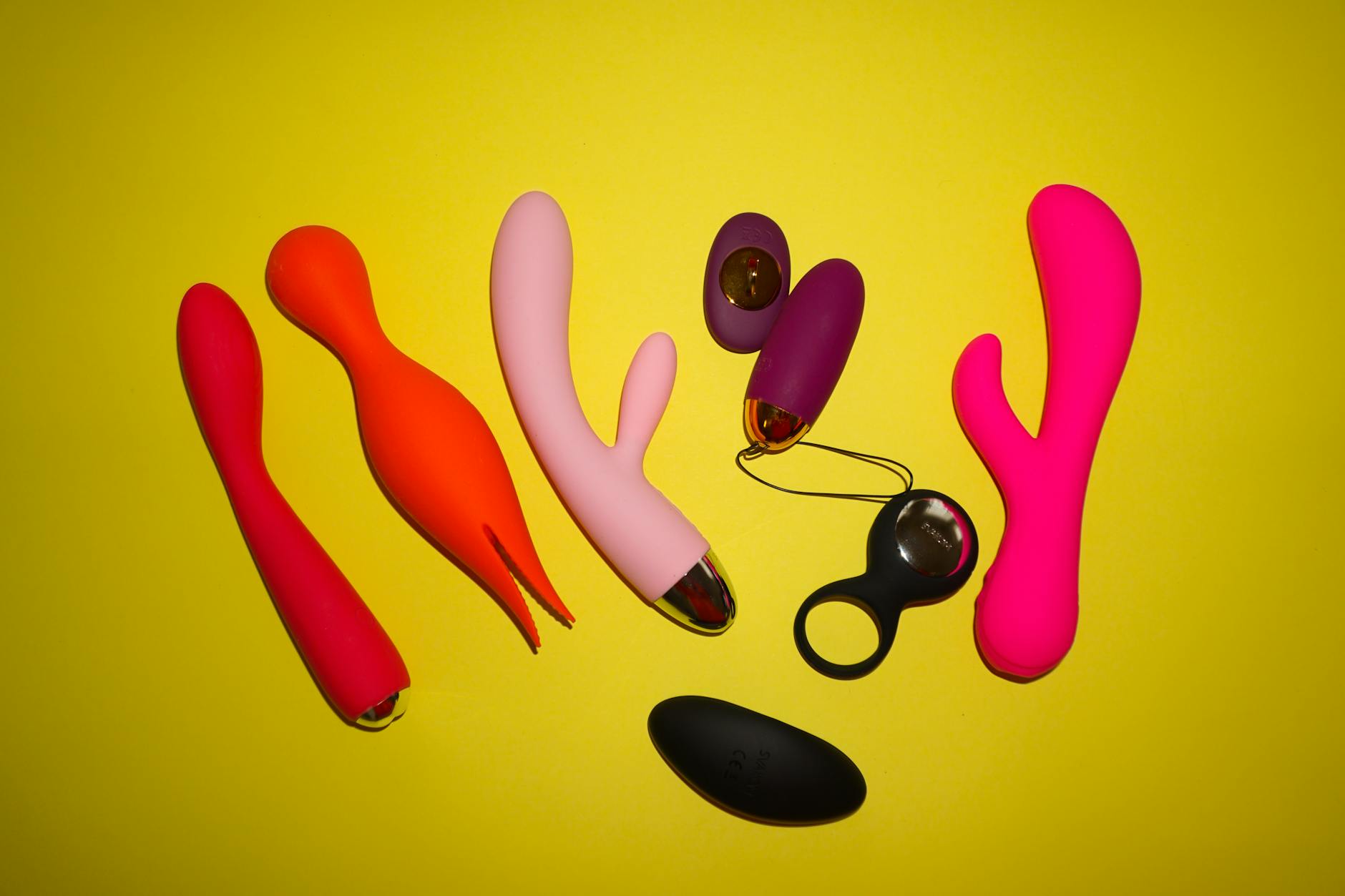
Lemon vibrators are designed for precision. Unlike internal penetration (which may carry memory of pain), suction-based clitoral stimulation is external, non-invasive, and lets you control exactly how much sensation you want at any moment. This matters psychologically. Every time you pause, speed up, or shift intensity, you're reinforcing that your body is yours.
Start with the lowest intensity setting. Not because you can't handle more, but because you're teaching your nervous system that sensation doesn't have to build into something overwhelming or painful. A few sessions at pattern one might feel anticlimactic. That's the point. Boring is safe. Safe is how you rebuild.
This is non-negotiable and worth protecting as private time. Here's what I recommend:
Frequency over intensity. Three times a week for 10-15 minutes beats one marathon session. Your nervous system needs repetition to learn that pleasure is reliable and safe.
No pressure to finish. Orgasm is not the goal here. Pleasure without agenda is. Sometimes you'll orgasm quickly. Sometimes you'll just sit with sensation for five minutes and call it good. Both are wins.
Set a container. Lock the door. Put your phone across the room. Tell a partner (if you have one) that you need 15 minutes of uninterrupted time. Knowing you have permission and protection changes everything neurologically.
Warm up first. Even solo, spend a few minutes with non-genital touch. Hand over your heart. Stroking your arm. Breathing. You're teaching your whole nervous system that touch can be pleasant, not just in your genitals but everywhere.
Every time you use a lemon vibrator and experience pleasure without pain, you're creating what neuroscientists call "new neural pathways." Essentially, you're teaching your brain that genital touch can feel good. This seems obvious, but after pain, it's genuinely novel information your system needs to process repeatedly.
After four to six weeks of consistent solo use, most people notice arousal starting to return. Your nervous system is slowly shifting from "protect" to "explore." That's not magic. That's neuroplasticity. Your brain literally rewires based on repeated safe experiences.
There's a temptation to rush this phase. Resist it. Using a lemon vibrator solo is not a placeholder for "real" sex. It's foundational work. Only move toward partnered touch once you've had multiple solo sessions where pleasure felt completely safe.
When you do reintroduce a partner, start without penetration. External touch only. Your partner can watch you use the vibrator, or you can use it together without any internal contact. This keeps you in control and lets your partner witness your pleasure returning. Both matter.
If penetration was the source of pain, take your time returning to it. Many people find they can enjoy penetration again once they've rebuilt trust in arousal through external stimulation first. The order matters. Rebuild pleasure. Then slowly reintroduce what caused pain, this time with your nervous system already in a place of relative safety.
"Using a vibrator means my body is broken." False. Pain during sex is incredibly common and has multiple causes. Using a tool to rebuild confidence is smart, not sad.
"If my partner knew I needed this, they'd feel inadequate." This one is worth a direct conversation. Partners who are worth keeping usually feel relief that you've found a way to reclaim pleasure rather than suffering silently. If your partner reacts with shame or resentment, that's information about your relationship you need to address separately, possibly with a therapist.
"Vibrators are too intense and will make everything else feel numb." Vibrators don't actually cause numbness. Continued pain and avoidance do. Regular clitoral vibrator use typically increases sensitivity over time, not decreases it.
"It will take forever to rebuild." Most people notice significant shifts in confidence and arousal within four to eight weeks of consistent use. That's not forever. That's a season.
Using a lemon vibrator handles the nervous system rewiring, but there's also emotional work worth doing. If the pain was tied to trauma, shame, or a partner's behavior, a therapist trained in sexual health can help you process that separately. A vibrator is a tool for sensation. It's not a substitute for addressing the story you're carrying about what happened.
If your partner hurt you (physically or emotionally), that's a relationship issue that needs direct attention before pleasure can fully return. Pleasure requires safety. Safety requires trust. Trust requires communication and sometimes difficult conversations.
After six to eight weeks of regular solo use, you should notice something shifting. Arousal comes more easily. Tension in the pelvic floor relaxes faster. You might spontaneously think about sex without dread creeping in. That's your nervous system saying, "Okay, pleasure is safe again."
This is when many people feel ready to explore partnered sex differently. Not the same way it was before pain. Better. Because you've had time to learn what feels good without pressure, you can communicate more clearly. You know what rhythm works, what intensity helps, what kind of touch pulls you out of your body and what brings you back in.
If you've been using a clitoral vibrator consistently for eight weeks and pain is still present during partnered sex, it's time for medical follow-up. Dyspareunia (painful intercourse) can have physical causes like endometriosis, pelvic floor tension that requires physical therapy, or scarring from previous trauma or surgery. A gynecologist or pelvic floor physical therapist can identify what's happening and create a targeted plan.
If pain is gone but arousal still isn't returning, or if you're feeling numb even during solo play, that might point to medication side effects, depression, or unprocessed trauma. A therapist or sex-positive doctor can help you sort that.
Rebuild trust in your body first. Everything else flows from there. Lemon vibrators are one part of that toolkit. Medical care is another. Therapy might be a third. Time and patience are non-negotiable. But the outcome is clear: people absolutely do reclaim pleasure after painful sex. You're not starting from zero. You're starting from a place where you now know exactly what you need to feel safe. That knowledge is everything.
Most people notice shifts in comfort and arousal within four to six weeks of consistent solo exploration with a lemon vibrator. Full emotional recovery and comfort during partnered sex typically takes two to three months. This varies widely based on the source of pain, your support system, and whether you're addressing the underlying physical or emotional cause.
Completely normal. Numbness or disconnection is a protective response after pain. Your nervous system is still in guard mode. Keep using the vibrator consistently at low intensities. Sensation and arousal typically return as your nervous system learns that touch is safe again.
Yes. In fact, external clitoral stimulation with a vibrator is the recommended first step. Build arousal and confidence through external pleasure first. Once your nervous system is confident pleasure is possible, reintroduction of penetration happens with less fear and resistance. Always go slowly and stop immediately if pain appears.
It depends on your relationship and your partner's typical response to communication about sex. If your partner is generally supportive and you feel safe, transparency usually strengthens the process. Your partner can understand what you're working toward and support your timeline. If you're not sure, starting with a therapist conversation can help you decide.
The Lemon Clitoral Vibrator has an extremely low base intensity compared to wand vibrators. If even pattern one feels intense, try placing a thin fabric (like a pillowcase or underwear) between the device and your skin. This mutes intensity while you rebuild sensitivity. As your nervous system settles, you can gradually remove the barrier.
Pain can affect arousal and orgasm temporarily through nervous system protection and learned anxiety. But with consistent safe pleasure experiences, the vast majority of people recover full function. The brain is plastic. New pathways replace old protective patterns. What feels impossible now often feels routine six months from now.
Your body remembers pain. That's not weakness. That's survival. But your body also remembers pleasure. Start there. Use a tool built for your control. Rebuild confidence slowly. Then, when you're ready, bring a partner back in. You're not starting over. You're starting better.