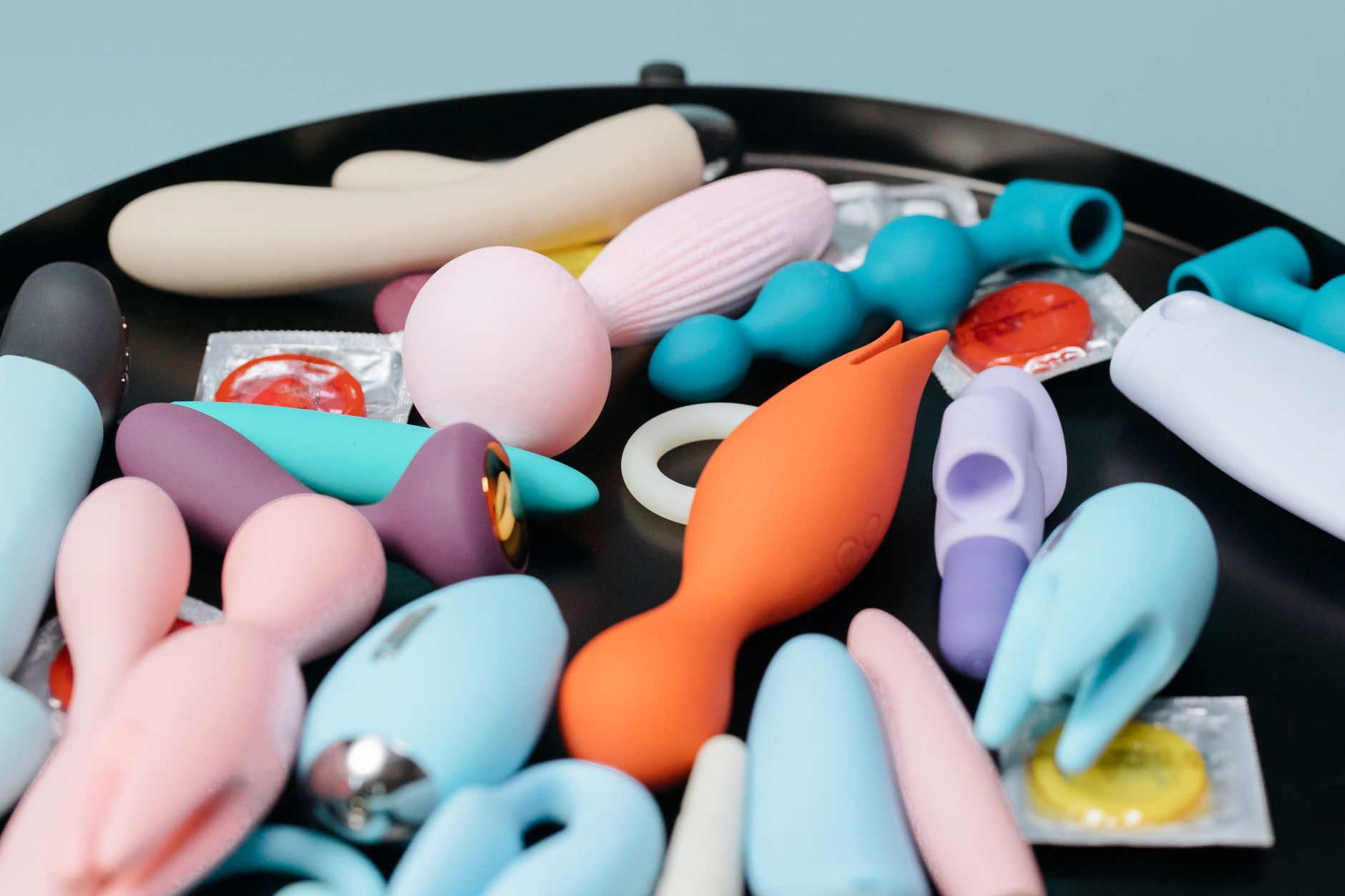
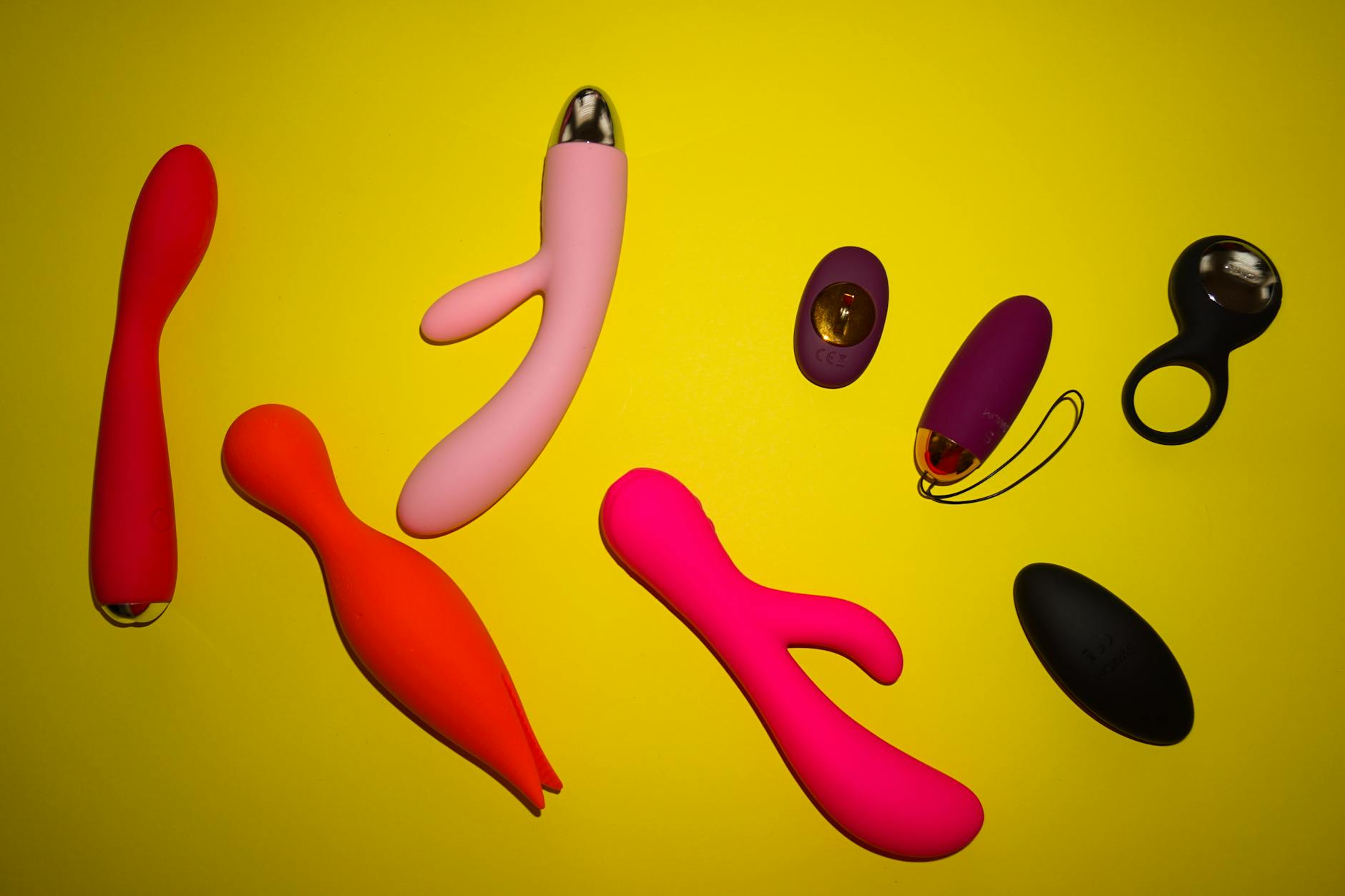
Here's the thing nobody talks about clearly: your desire isn't broken when it changes. It's evolving. And that evolution, honestly, is where the real pleasure often lives.
As we age, the neurochemistry of arousal shifts. Your brain's reward circuits work differently. What lit you up at 25 might feel like a flicker at 45 or 55. That's not a deficit. That's information. And when you learn how to work with it instead of against it, pleasure often gets better, not worse.
Let's start with the science. As you age, several things happen simultaneously:
Blood flow to the genitals takes longer to activate. Estrogen and testosterone both decline (yes, people of all genders produce testosterone). The clitoral tissue becomes less engorged during arousal, which can mean sensation feels subtly different. The pelvic floor muscles lose some elasticity and tone, changing how orgasms register in your body.
But here's what stays exactly the same: the neural pathways for pleasure remain intact. Your brain's capacity for arousal hasn't diminished. The clitoris has 8,000 nerve endings at 25 and 8,000 nerve endings at 65. What changes is the route to activation, not the destination.
Many people find that once they stop expecting the old pattern, they discover a new one that's equally intense, sometimes more so. The difference is that it requires a different kind of attention.
This is the piece that catches people off guard. Around midlife, spontaneous desire (the kind that just arrives, unprompted) often declines. People interpret this as "I'm not attracted anymore" or "I've lost interest in sex." Usually neither is true.
What's happening is that your body has shifted from responsive desire to triggered desire. You're not turned on until something specifically activates you. And because activation takes longer than it used to, the window feels invisible.
Here's the strategy that actually works: stop waiting for desire to show up first. Activate your body first, and desire follows. This isn't forced or artificial. It's how your neurobiology works now.
A lemon clitoral vibrator like the Lem does this beautifully because it creates consistent, focused stimulation that your nervous system recognizes as "oh, this is happening." Within 5-10 minutes of use, blood flow increases, sensation heightens, and genuine arousal builds. You're not faking it. You're giving your body the signal it needs to wake up.
When you were younger, pleasure probably followed a familiar arc: anticipation, arousal, intensity, release. Tidy. Linear. Now it might look different.
You might need longer warm-up. Your orgasm might feel less explosive and more distributed through your whole body. You might need consistent rhythm rather than variety. Your refractory period might be longer, or you might have multiple gentler orgasms instead of one big one. None of this is decline. It's a different flavor of the same thing.
The Lem's consistent suction pattern actually aligns better with how many aging bodies respond. Instead of chasing the intensity you remember, you're working with the sensitivity you have now. The air-pulse technology creates a different kind of stimulation than traditional vibration, and many people find it feels more naturally integrated into aging bodies because it doesn't require the same forceful friction.
Here's what I've seen over decades of working with couples: desire doesn't die from aging. It dies from disconnection. It dies from shame about the changes. It dies from partners who don't understand that the other person still wants them, just differently.
If you're using a lemon adult toy solo, you're rebuilding your own relationship with pleasure. If you're introducing your partner to it, you're showing them: I still want this. I still want you. Here's how I work now. That's the opposite of shutdown. That's courage.
The shame piece matters. Many people who reach their 40s, 50s, and beyond have internalized the message that sexual pleasure is a young person's game. They stop initiating. They avoid their own bodies. They assume their partner has lost interest too. None of it's true. It's all story.
Using a clitoral vibrator in this season of life is a way of saying: I deserve pleasure at any age. I'm curious about my body now. I'm not done.
1. Arousal takes longer now. That's not a problem. That's information. Budget 20-30 minutes instead of 5-10. Understand that your nervous system is asking for more runway. Give it.
2. Desire might need an external cue. You're not broken. Your system has shifted from spontaneous to triggered. A lemon vibrator is that trigger. It's not cheating. It's literacy about your own body.
3. Pleasure is not just orgasm. As you age, many people report that pleasure has become less about the destination and more about the sensation. The Lem's focused suction creates intense sensation without requiring the same level of genital arousal you needed at 25. That's often genuinely better.
4. Aging desire is still desire. It's quieter sometimes. It's more specific. It's less performance and more presence. That's actually the upgrade if you let it be.
If you're reintroducing yourself to pleasure after a long absence, a lemon vibrator is a particularly smart entry point. Here's why:
The suction design mimics the sensation of oral sex without requiring the same level of clitoral engorgement. This matters when tissue sensitivity has changed. You get intense stimulation without the risk of that "too much too soon" feeling that can turn people off.
Start at the lowest setting. Spend time just feeling it, no goal in mind. Many people who've been away from their own bodies for years are surprised by how quickly sensation returns. Your nerves don't age out. They just need reactivation.
Use it solo first. This isn't a step toward partnered sex if you don't want it to be. Solo exploration is the foundation. You get to know what works for your aging body without any performance pressure. Then, if you want to, you can introduce it with a partner.
If pain accompanies any of this, get checked. Pain is never part of normal aging. It's a signal that something needs attention, often treatable.
If your desire has completely flatlined and nothing in this article resonates, that might indicate hormonal changes worth discussing with your GP. Some aging bodies benefit from hormone replacement. Others don't. The data is complicated, the decision is personal, and a doctor who listens matters.
If you're on medications that suppress desire (SSRIs, blood pressure meds, others), ask about alternatives. Many people don't realize their medication is the culprit.
Your pleasure doesn't expire. It transforms. And if you're willing to pay attention to how it's transforming instead of grieving how it used to be, you'll often discover something better waiting. Older bodies know things younger bodies don't. Your skin knows. Your nervous system knows. Your desires know.
A lemon clitoral vibrator is just a tool. But it's a tool that says: I'm not settling. I'm not ashamed. I'm curious. I'm alive.
Desire often shifts rather than decreases. What changes is typically the speed of arousal and the type of stimulation that works. Many people report that their capacity for pleasure actually deepens with age because they're less caught up in performance and more present with sensation. The desire is still there. The pathway to activation is just different.
No, the opposite is usually true. When desire has been low or absent, using a tool like the Lem can actually restore the neural pathways associated with arousal. You're reminding your nervous system that this sensation is possible. That's not dependence. That's retraining. Most people find their baseline desire improves over time, even without the toy.
Completely normal. This is one of the most universal changes across aging bodies. Where you used to get aroused in 2-3 minutes, it now takes 10-15 or more. This isn't dysfunction. It's a shift in your nervous system's activation pattern. Once you accept that this is how your body works now and stop fighting it, pleasure often comes more easily. A lemon clitoral vibrator can shorten that activation window because it provides direct, consistent stimulation.
This is a conversation worth having, and it's about way more than the toy. You might say: "My body has changed, and I'm learning how to work with it. I want to stay connected to pleasure, and I'm inviting you to understand how I experience it now." Many partners are actually relieved. They often interpreted the shift in your desire as a shift in your feelings for them. Introducing a toy can reframe it as "I'm interested. Here's what helps." See How to Use Lemon Vibrators With a Partner When You Have Different Pleasure Speeds for strategies.
Yes, often in a different way. Orgasms might feel less like a peak and more like waves. They might involve your whole body instead of concentrated genital sensation. For many people, these are actually more satisfying because they last longer and involve more of the nervous system. The intensity isn't lost. It's distributed differently. A lemon suction vibrator can create quite intense sensation on aging tissue because it works with the clitoral structure you have now rather than fighting for the engorgement pattern of 20 years ago.
If you have pelvic pain, nerve damage, or are recovering from gynecological surgery, yes. Otherwise, vibrators are generally safe. If you're on blood thinners or have concerns about clitoral sensitivity, mention it to your GP. They won't judge you. They see this all the time. And a conversation with a doctor who specializes in aging bodies can clarify whether any changes you're noticing need medical attention or are just part of normal aging.
Your body is not a problem to be solved. It's a system that's changed, and that change is an invitation to know it differently. The lemon vibrators from Hello Nancy are designed to work with the bodies you have right now, not the bodies you used to have. That's where the real permission lives: in meeting yourself where you actually are.
If you have questions about how to navigate this season of your life, reach out. We're here.
This article is based on clinical experience and peer-reviewed research on aging, desire, and sexual response. It's not a substitute for medical advice. Always speak with a healthcare provider about changes in your sexual health or desire.