Let's be real. When estrogen fluctuates, your arousal doesn't work the same way it did last week. This isn't a flaw in you. It's biology being literal about how tissue, blood flow, and nerve response actually operate.
Estrogen affects the thickness of vaginal tissue, the speed of blood flow to the vulva, how quickly lubrication kicks in, and even the sensitivity threshold of your nerve endings. When estrogen rises, arousal often feels effortless. When it dips, you might need significantly more time, different pressure, or a completely different approach to get the same sensation.
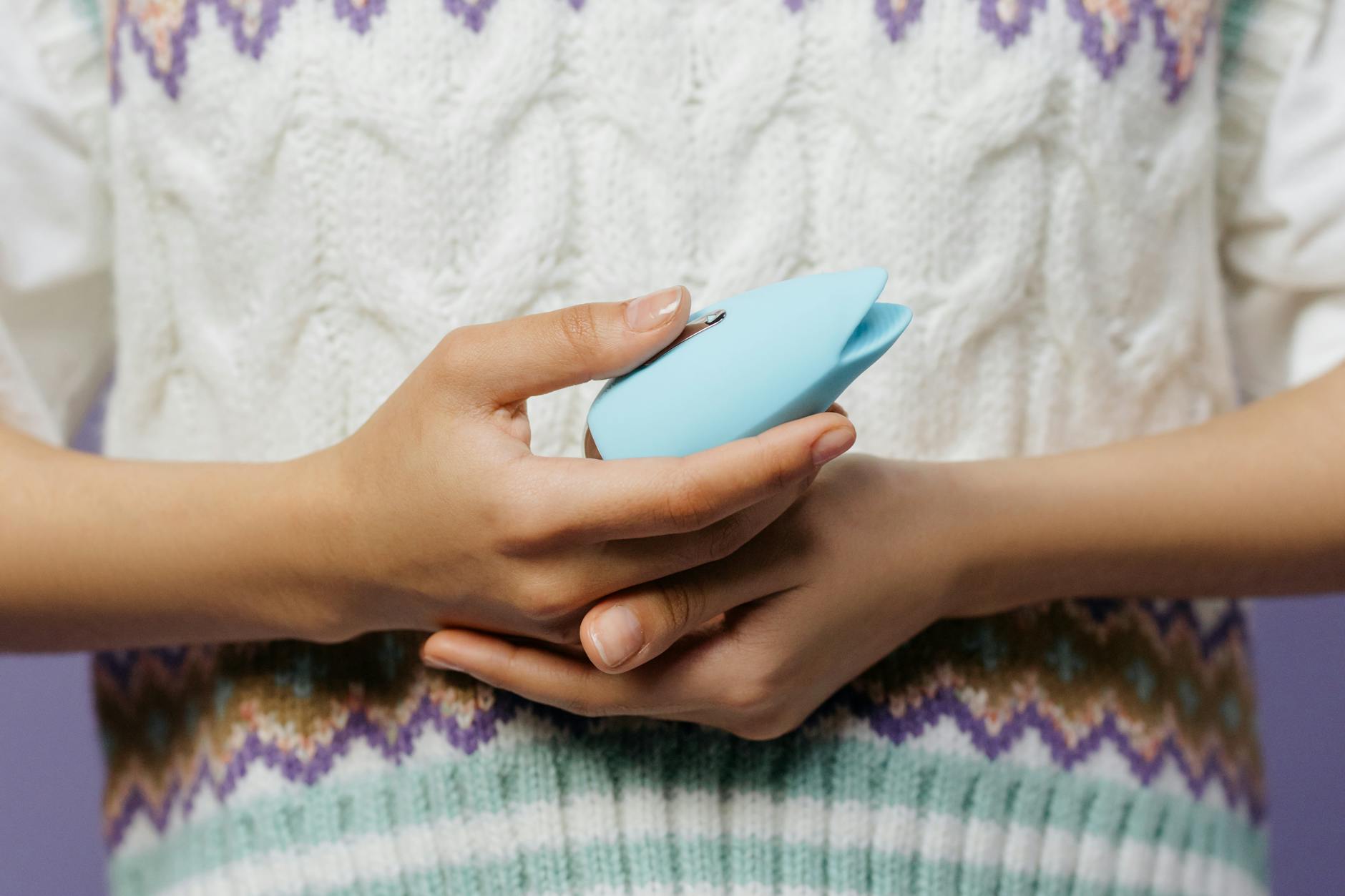
Most people never learn this, so they assume they're broken. They're not. They just need to know how lemon vibrators and other clitoral vibrators work with their body's current state instead of against it.
Think of arousal as a chain reaction. Estrogen is one of the links. When it's high, the chain fires quickly. Stimulus enters, lubrication arrives, tissue swells, nerves light up, orgasm follows. Clean pathway.
When estrogen dips, that pathway gets longer. The same stimulus might take two or three times longer to trigger the same response. Your tissue might feel less plump. Lubrication might arrive slower or feel thinner. Nerves might feel a bit more distant, like there's static on the line.
This is especially noticeable in the luteal phase of your cycle, after ovulation, or during hormonal birth control use. Some people experience it around their period. Others notice it mid-cycle. For those on consistent hormonal contraception, the effect might be constant.
Here's the tactical part. Traditional vibrators rely on tissue swelling to create sensation. They work by moving against soft tissue that's engorged and responsive. When estrogen dips, that swelling happens slower or less intensely, so direct vibration can feel numb or unsatisfying.
Lemon clitoral vibrators work differently. They use gentle suction and rhythmic pulsing rather than friction. This approach bypasses the need for tissue to be maximally plump. Instead, suction creates sensation through a different neural pathway. The result: you feel it even when standard vibration might feel like nothing.
Air-pulse technology essentially says: "We're not waiting for your tissue to swell. We're creating stimulation through pressure changes instead." This is why so many people find lemon vibrators revelatory during phases when everything else stops working.
Honestly though, pattern choice matters more than you'd think. When estrogen is high, you might crave intensity. Patterns 5, 6, or 7 on a typical lemon vibrator feel great because your tissue and nerves are primed.
When estrogen drops, those same patterns often feel overwhelming or oddly numb. Instead, start lower. Patterns 1 through 3 give your body time to wake up. They also let you feel the actual sensation instead of being slammed by intensity that your body isn't neurologically ready for yet.
The magic move: start at pattern 1 and spend 5 to 10 minutes there. Let your body acclimate. Then move up. You'll often find that by pattern 3 or 4, sensation is actually sharper and more pleasurable than jumping straight to 7. Your nervous system caught up.
When estrogen is lower, arousal truly is slower. This isn't something to fight. It's something to work with.
Budget 15 to 25 minutes just for warm-up before you even introduce the vibrator. This means touch, sensation, whatever gets your attention. The goal is to get blood flowing to your genitals and your brain fully in the moment. Lubrication will arrive, tissue will start plumping, nerve sensitivity will climb.
Then when you bring in the lemon vibrator, you're not starting from zero. You've already initiated the arousal process. The vibrator amplifies what's already starting rather than trying to force it from a cold start.
When estrogen is high, you might not need additional lubricant. Your body makes enough. When it dips, external lubrication becomes essential. Not because something's wrong, but because the tissues genuinely benefit from it.
Use a water-based lube. It works with silicone toys and skin, and it doesn't leave a film that prevents sensation the way some silicone lubes do. Apply generously. Reapply if things feel dry. Lubrication isn't cheating. It's adapting.
Water-based lubrication also extends your session. Without it, low-estrogen tissue can become irritated faster. With it, you can explore for as long as you want without discomfort.
If you're with someone, the conversation matters. "My arousal is slower right now, and I need more warm-up" is very different information than "I'm not attracted to you." Most partners will adapt instantly once they understand the difference.
Showing them the shift can help. If you're using a lemon vibrator, that's actually a great moment to shift focus. Instead of waiting for spontaneous arousal, you're both actively creating it together. You're collaborating with your body's current state instead of fighting it.
Consider this: estrogen fluctuations are temporary. Your baseline arousal isn't broken. You're just working with different parameters this week or this phase. That's normal. That's solvable.
If your estrogen-related changes come with pain, that's different. Genitourinary syndrome of menopause, or GSM, is treatable and real. Same if arousal has completely flatlined for months and isn't responding to any of these strategies.
A menopause-trained gynecologist or hormone specialist can run labs, adjust medications if needed, or discuss topical estrogen therapies that make a massive difference. You don't have to white-knuckle through months of struggle.
Estrogen fluctuations are normal. Suffering through them isn't.
If you're tired of recalibrating every week, here's a baseline: start at pattern 2 or 3 on your lemon vibrator, spend 15 to 20 minutes with warm-up before you use it, have lubrication ready, and build from there. This approach works whether estrogen is cresting or bottoming out.
It's slower than your fastest orgasm. It's also more likely to actually happen regardless of your hormone state. That's the trade. Speed for reliability. Rushing for success.
Lemon vibrators use air-pulse or suction technology, which creates sensation through pressure changes rather than friction. Traditional vibrators rely on tissue swelling. When estrogen dips and tissue is less engorged, lemon sexual toys often feel more effective because they don't require maximum tissue response to generate sensation.
No, but they can make it feel like it stopped. Your vibrator is fine. Your body's arousal threshold has just temporarily shifted. Lower estrogen means slower blood flow to the clitoris and less tissue swelling, so the same stimulation that felt amazing last week might feel muted now. Adjusting warm-up time, patterns, and lubrication usually brings sensation back immediately.
Yes. When estrogen drops, focus on longer warm-up (15 to 25 minutes), lower intensity patterns (1 through 3 instead of 5 through 7), generous lubrication, and slower builds. When estrogen is high, you can jump straight to higher patterns and shorter warm-up. The same lemon vibrator works in both states. You're just adapting your technique to match your body's current state.
Depends on the cause. If it's your menstrual cycle, arousal usually snaps back within a few days as estrogen rises again. If you're on hormonal birth control, the lower-estrogen baseline is your new normal, and adaptation (warm-up, patterns, lubrication) becomes permanent. If it's perimenopause or menopause, estrogen won't rebound, but pleasure absolutely does with the right tools and strategies.
Completely normal. Your tissue, lubrication, and nerve sensitivity all fluctuate with estrogen. The same vibrator will feel different at different points in your cycle. This isn't a problem with the toy or you. It's just biology. Knowing this means you can stop blaming yourself and start planning around it.
Yes. Orgasm capability doesn't disappear. It just might take longer, need different patterns, or require different pressure. Many people report equally intense orgasms throughout their cycle once they stop forcing one single approach and instead adapt to what their body is actually ready for right now.
Estrogen fluctuations aren't a barrier to pleasure. They're just a variable to account for. When you understand how they affect tissue, lubrication, and nerve response, you can use lemon vibrators and other tools much more effectively. Start lower, warm up longer, use more lube, and give yourself permission to adapt week to week. Your body isn't broken. It's just being honest about what it needs right now.