Pelvic surgery changes things. Not in a way that ends pleasure, but in a way that requires you to rebuild your map of sensation. Hysterectomy, ovarian surgery, bladder procedures, or fibroid removal all involve cutting through tissue, moving nerves, and shifting how your pelvic floor sits. Your body rewires itself in the months after, which means sensation doesn't just dull. It redistributes.
Most people expect to feel better once they're healed. Instead, they feel numb. Or hypersensitive in spots that used to be neutral. Or like their clitoris has moved to a different neighborhood entirely. This is completely normal. It's also completely fixable with the right approach.
During pelvic surgery, surgeons work around nerve bundles. They try not to damage them, but even without direct nerve injury, the inflammation from surgery, scar tissue formation, and the swelling that follows all affect how sensation flows. Nerves take time to settle. Some numbness can persist for six to eighteen months. Hypersensitivity sometimes shows up as a transitional phase before things settle down.
Your clitoris has thousands of nerve endings, but sensation isn't just a simple on-off switch. It travels through multiple pathways. When surgery disrupts the area around those pathways, your brain needs new information. It needs to relearn where feeling happens and how intense it needs to be to register.
The other thing nobody warns you about: your pelvic floor gets tight during surgery and can stay tight during healing. A tense pelvic floor reduces sensation, increases pain risk, and makes it harder to feel arousal building. Physical therapy helps this. So does gentle, intentional touch with tools designed to give consistent feedback without demanding a lot from your body.
Standard vibrators ask a lot of your healing tissue. They rely on rapid vibration intensity and often require firm pressure to register. That works fine when your nervous system is firing normally. After pelvic surgery, you don't need intensity. You need signal clarity. You need a tool that says "I'm here" without shouting.
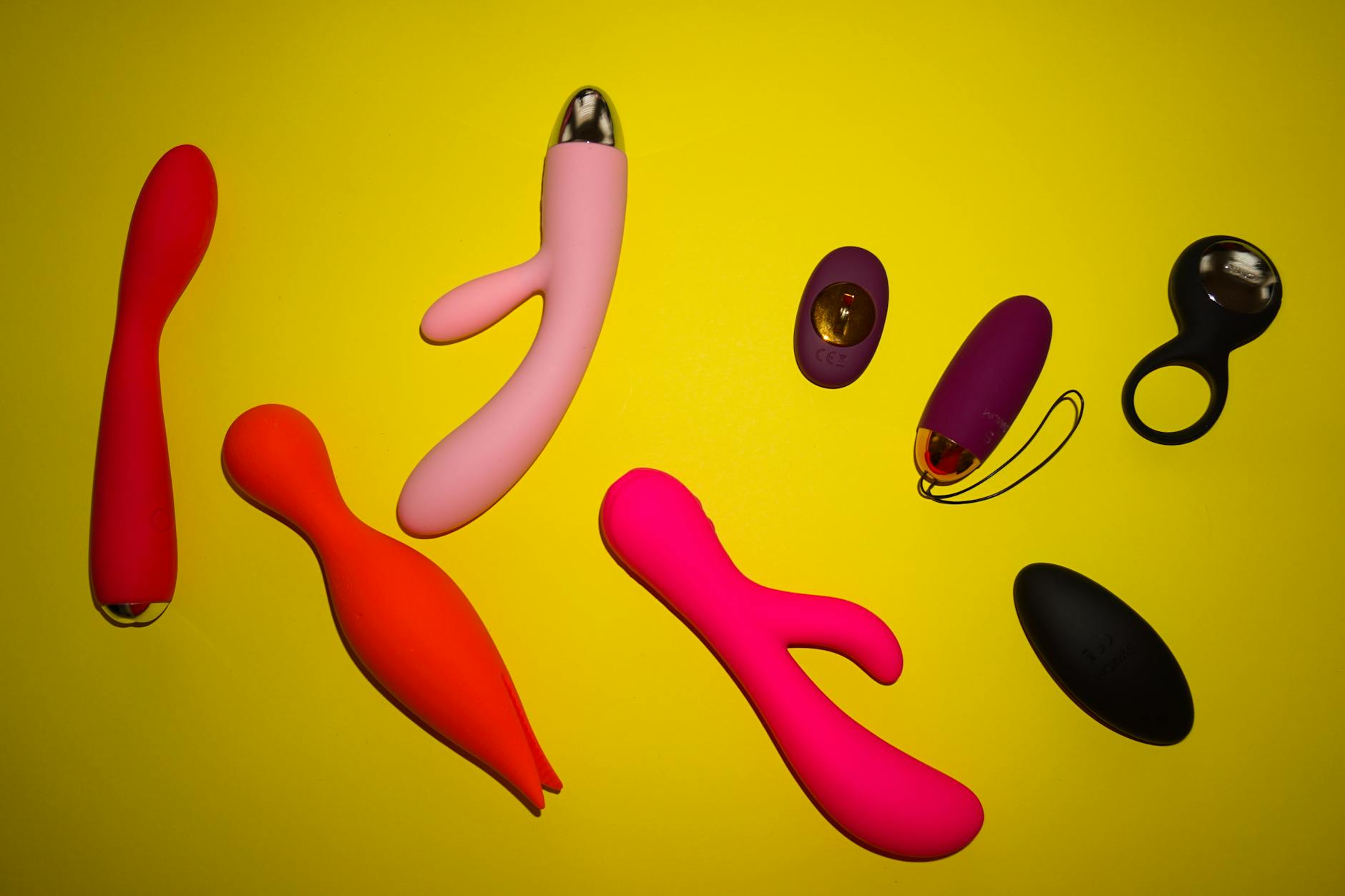
Lemon clitoral vibrators use suction and pulsing rather than pure vibration. This matters because suction stimulates nerves in a gentler wave pattern that doesn't rely on high frequency. It's like the difference between someone tapping your shoulder repeatedly versus gently cupping your arm. Both get your attention, but one feels way less jarring when you're already sensitive.
The Lemon Clitoral Vibrator, specifically, gives you pattern options from gentle pulse to more intense suction. You can start at pattern one and sit there for weeks if you need to. There's no pressure to work up to the "real" intensity. Pattern one IS the real intensity for right now.
Phase One: Weeks 1-6 after surgery. Don't touch anything. Listen to your surgeon. This isn't the time for pleasure exploration. Your job is healing.
Phase Two: Weeks 6-12. Once you've gotten surgical clearance for "normal activity," pleasure can start becoming a conversation again. But not yet with a toy. Your body needs to remember what neutral touch feels like first. Touch yourself gently with no expectation of arousal. Spend time noticing what sensations are there. Some spots might feel completely asleep. Others might feel raw or tender. This phase is all data collection, not orgasm pursuit.
Phase Three: Weeks 12 onward. Once you've mapped out sensation, once you know what feels good versus what feels tender, tools can help. Start with the lowest setting on your lemon vibrator. Use it for five to ten minutes, maybe twice a week. You're training your nervous system to recognize pleasure signals again, not sprinting to orgasm.
Start dry, then add lube. After pelvic surgery, tissue sensitivity is unpredictable. Some people find direct stimulation feels raw without lubricant. Others find that any extra moisture increases discomfort. Test with a small amount of water-based lube and adjust from there. You can always add more. Taking it away mid-session is annoying.
Use the lowest pattern first. On most clitoral vibrators, this means pattern one. Sit with that for a few sessions before you think about moving up. Your brain will adapt faster than you expect. After two weeks at pattern one, pattern two might feel like a significant upgrade. That's the point. You want gradual progression, not shock to your system.
Try it for short sessions, off schedule. Don't build it into your routine yet. Use your lemon vibrator when the idea genuinely appeals to you, not because it's "time to practice sensation recovery." Pleasure isn't therapy. It's recreation. If you're forcing it, you're working against your nervous system.
Pay attention to soreness afterward. If you feel tenderness in the hours or days after using your vibrator, you went too long or too intense. Dial back. Recovery is slower than you want it to be. That's okay.
If you have a partner, the conversation about post-surgery pleasure is separate from the conversation about penetration or penetrative sex. Your partner needs to understand that your sensation map has changed. What used to feel amazing might feel uncomfortable now. What was never on your radar might be surprisingly good. Neither of these facts means something is wrong.
Many people find that sensation rebuilding feels less vulnerable alone at first. Once you've reestablished your own relationship with arousal and orgasm, sharing that with a partner becomes easier. There's no pressure because you already know what works.
Some partners feel anxious about post-surgery bodies. They worry about "breaking" you or causing pain. Using your lemon vibrator while your partner is present can be a way of saying "I'm healing, and this is what pleasure looks like for me right now." That shared understanding builds faster if you've already done your own exploration.
Not all post-surgery numbness is temporary. Scar tissue can form in ways that permanently alter sensation in a specific area. If after six months you still have a numb patch that isn't improving, ask your surgeon or a pelvic floor physical therapist about it. Sometimes gentle scar tissue massage helps. Sometimes you just need to remap sensation around it.
If sensation is sharp or burning rather than dull, that's a different signal. That might be nerve inflammation, which usually improves with time but sometimes needs medical attention. If it's persistent, ask. There's no shame in that.
Dissociation or feeling "not present" during attempts at pleasure is also worth mentioning to someone. That's often anxiety about your body's "new normal," and it usually helps to name it. Dissociation during pleasure can happen for lots of reasons, and working with a therapist who understands post-surgery bodies can help.
Your surgical site heals in six to twelve weeks. Your nervous system learns its new patterns over months. Your relationship with your body's pleasure might take even longer. These are all separate timelines. You can be physically healed and still feel disconnected from sensation. That's not a failure. That's just how the nervous system works.
Lemon vibrators and other clitoral vibrators can be part of that reconnection, but they're a tool, not a fix. The real work is patience with yourself. The real work is using data from your own body instead of guessing what should work.
Start low. Go slow. Notice everything. When sensation returns, it comes back unevenly. Some spots wake up faster than others. Your job is to keep exploring without judgment until you find what feels good now, in this rebuilt version of you.
Wait for surgical clearance from your doctor, typically four to six weeks. Even then, start with gentle touch exploration before introducing a toy. Most people find weeks ten to fourteen is when lemon vibrators become genuinely comfortable to use. Listen to your body, not a timeline.
If you're cleared for normal activity and you're using a vibrator gently, no. But if you're using high intensity during the early healing phase, yes, you could irritate tissue or trigger inflammation. Stay low-intensity for at least three months post-surgery.
Usually not. Most sensation returns within six to eighteen months. Some people experience partial numbness in specific areas that doesn't fully resolve, but that's less common. Physical therapy and gentle exploration with tools like lemon clitoral vibrators can help your nervous system relearn sensation faster.
It depends on your relationship and comfort level. Many people find that using a lemon vibrator privately first helps them reconnect with their own pleasure, which makes partnered intimacy feel less fraught. Sharing that with a partner, in whatever way feels right, builds understanding about your changing body.
Low-intensity use of suction-based vibrators like lemon clitoral vibrators is generally gentler than traditional vibration, but every body is different. If pain shows up, stop and let your tissue settle. Scar tissue sometimes needs weeks of rest between attempts. Work with a physical therapist if pain persists.
Lemon vibrators use suction and pulsing patterns rather than intense continuous vibration. This gentler stimulation is easier for healing tissue to process. You also get pattern options from very subtle to more intense, which means you can stay at low stimulus for as long as you need without feeling stuck.
Post-surgery pleasure recovery isn't linear. Some days sensation feels closer. Other days it feels farther away. That variability is normal. Your nervous system is literally rebuilding its map. Tools like lemon vibrators help that process, but only if you're patient with the timeline your body actually needs, not the one you wish you had.
Your pleasure matters. Your recovery timeline matters. They're not the same thing, and that's exactly as it should be.