Your partner initiates. You feel... nothing. Not resistance, not pain. Just a flat, empty space where desire used to live. You know you love them. You know sex usually feels good. But right now, asking your body to care about pleasure while your nervous system is in full panic mode feels like asking a person to laugh at a joke while their house is on fire.
When you're under sustained stress, your body prioritizes survival over pleasure. Your nervous system floods with cortisol and adrenaline. Blood diverts away from the genitals and toward the muscles you'd use to run or fight. Your brain stops producing dopamine, the neurotransmitter that creates motivation and reward. Everything that makes sex feel possible gets switched off.
Here's what makes this tricky: you can't think your way out of it. Telling yourself "I should want this" doesn't work because desire isn't a choice. It's a cascade of chemical events that requires your nervous system to feel safe. No safety, no desire. It's that straightforward.
Many people describe this as feeling numb or disconnected. Sex happens (if it happens at all), but there's no pleasure attached. Your body is going through the motions while your mind is still at work, or stuck on the diagnosis, or replaying the conversation, or counting the bills.
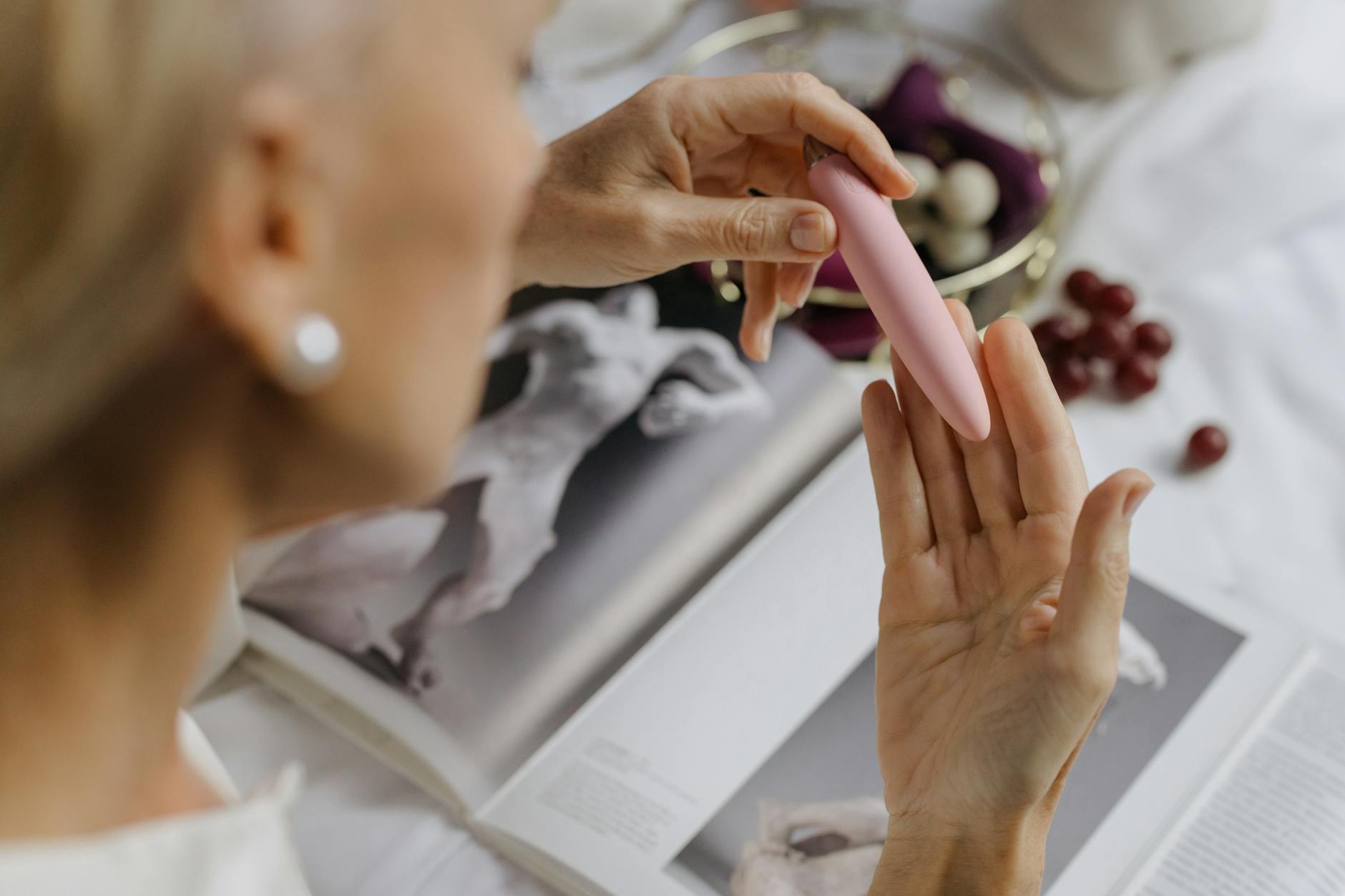
Lemon vibrators, especially models like the clitoral vibrator from The Lemon Sexual Toys, work differently than you'd expect in this context. You're not trying to brute-force yourself into arousal. You're giving your nervous system permission to feel sensation again, slowly, without pressure.
Here's why this matters: stress doesn't just kill arousal. It makes your body hyperaware of threat. Touch can feel jarring or invasive. A partner's advances can trigger anxiety instead of pleasure. But a lemon vibrator gives you control. You set the pattern. You set the speed. You're not managing another person's needs or expectations. You're just exploring what your body can still feel.
The suction-based stimulation that lemon clitoral vibrators use is gentler than traditional vibration for people in a stressed state. It doesn't demand intensity. It invites sensation. That's a crucial difference.
You don't jump straight to sex. That's the mistake most people make. Instead, you rebuild sensation capacity in stages.
Week one: Exploration with zero pressure. Use your lemon vibrator alone, at a time when you have actual privacy and aren't rushed. Start with the lowest setting. The goal isn't to reach orgasm. The goal is to remember what pleasure feels like. Set a 10-minute timer. If nothing happens, that's fine. You're just checking in with your body.
Week two: Extend the time, stay curious. Increase to 15-20 minutes. You can experiment with different patterns if your clitoral vibrator has them. Pay attention to which ones feel good, not which ones "should" feel good. Boredom or restlessness is normal. Your stressed nervous system doesn't have a lot of capacity for pleasure yet. That changes.
Week three: Introduce your partner. Not sex. Just presence. They sit nearby while you use your lemon vibrator. Not watching intently. Just being in the room. This teaches your nervous system that their presence doesn't mean performance. After a few sessions, you can hold their hand while you use the vibrator.
Week four and beyond: Collaborative play. Your partner can use the vibrator on you (with clear boundaries about speed and pressure). Or they can focus on other kinds of touch while you control the vibrator yourself. The point is building comfort with pleasure while they're present.
When stress has flatlined your desire, small details become everything.
Timing is everything. Don't try this at night when you're already exhausted. Pick a time when stress is temporarily lower. Maybe early morning before work chaos begins. Maybe a Sunday afternoon. Your nervous system has finite bandwidth, and you need to catch it when it's not maxed out.
Privacy matters more than you think. Stress kills desire partly because your nervous system is already detecting threat. Any chance of interruption, any awareness that someone could walk in, any background anxiety about being heard, makes pleasure impossible. Lock the door. Put your phone away. Your brain needs to know it's genuinely safe.
Lubrication becomes important again. Stress changes your body's ability to self-lubricate. Use water-based lube even if you normally don't need it. It removes friction, reduces micro-tearing, and lets you focus on sensation instead of any physical discomfort. This is not a sign your body is broken. This is just what stress does temporarily.
Start slower than feels necessary. Use your lemon vibrator on the lowest setting. If it's a lemon clitoral vibrator with multiple patterns, stick to the gentlest one. You can always increase intensity later. Overwhelming sensation when your nervous system is already overstimulated actually sets you backward.
Here's where couples get stuck: the stressed person feels guilty. The partner feels rejected. Both stop talking honestly about what's happening.
Separate the two conversations. Conversation one: "My body is responding to stress, and I need some time and space to rebuild that capacity." That's not about your partner or your relationship. That's you being honest about your nervous system.
Conversation two: "Here's what would help me feel safe and supported while this is happening." This might be: they don't initiate for a while. They create more childcare support so you have actual free time. They prioritize their own stress management so you're not managing their emotional state on top of everything else.
Most partners can handle both of these conversations easily. What they can't handle is ambiguity and silence. Tell them what's true. Tell them what would help. That's when things shift.
If you're using lemon vibrators as part of rebuilding, you don't need to perform that for your partner's benefit. But sharing what you're learning about your own body can be genuinely connecting. "I discovered I like this pattern more now" or "I felt sensation again for the first time in months" is information that brings you closer.
If your stress is from a specific event, rebuilding takes weeks to a few months. If your stress is chronic and ongoing, you need more than a vibrator. You need to address the actual stressor, and sometimes you need professional support to do that.
A therapist who understands stress's impact on sexuality (not all therapists do) can help. So can a couples counselor if the intimacy gap is creating relationship friction. A doctor can rule out medical causes like thyroid dysfunction or medication side effects that mimic stress-induced desire loss.
This is especially important if your stress-related flatness of desire accompanies other changes like sleep disruption, appetite shifts, or persistent sadness. Those can indicate depression or anxiety disorders that benefit from treatment.
Using lemon clitoral vibrators to rebuild sensation is genuinely helpful. But it works best alongside actual stress reduction, professional support if you need it, and honest communication with your partner.
It depends on how long the stress lasted and how severe it was. Acute stress (a crisis that resolves) might see desire returning in 3-6 weeks. Chronic stress that doesn't ease can suppress desire for months or longer. The key is removing the stressor, not just waiting it out. A lemon vibrator can help you reconnect with sensation while you're working on the actual stress.
Yes. Some medications do flatten arousal as a side effect (SSRIs are known for this). A vibrator can help you still experience pleasure even while on medication. If the medication side effect is severe, talk to your prescriber about switching medications or adjusting timing. But the vibrator isn't a substitute for that conversation with your doctor.
That's information. It means either the stressor is still active and your nervous system hasn't actually felt safe, or there's something else happening physiologically. Talk to a doctor or therapist at this point. You might need medication adjustment, stress reduction coaching, or couples counseling depending on what's actually at play.
Yes, but approach it differently. Skip the expectation that you'll be aroused or orgasm. Instead, focus on closeness and touch. Using a lemon vibrator during partnered sex removes the pressure on your own body to "perform" arousal. You're just building connection while sensation rebuilds separately.
No. The opposite is actually true. Rebuilding your own relationship with pleasure helps you show up more fully when you're with a partner. Plus, learning what feels good on your own makes partnered sex better when you can actually tell them what works.
That's a conversation about their insecurity, not your sexual health. You're rebuilding your nervous system's ability to feel pleasure. That's not about them. If they're struggling with that, couples counseling can help them understand it's not a rejection. Most partners actually feel relieved when they understand they're not responsible for fixing your desire alone.