You used to have sex. Now you have logistics. You know the feeling. Someone asks "How's the relationship?" and you say "fine" because you genuinely don't know what else to say. Fine. Not bad. Not good. Just fine. And in that flatness, physical connection dissolves.
Here's what I see in my practice: disconnection never starts in bed. It starts in the kitchen when someone stops asking about your day. It lives in the car ride home where you're both on your phones. It grows in the silence after dinner when the TV goes on instead of conversation. By the time you notice the sex has stopped, the distance is already there. The bedroom is just where you realize it.
The interesting part is this: reconnecting physically, when it's intentional, can actually rewire the emotional distance. Not because sex fixes everything (it doesn't), but because mutual vulnerability around pleasure says "I see you, I want you, I'm willing to be present with you" in a way that words sometimes can't.
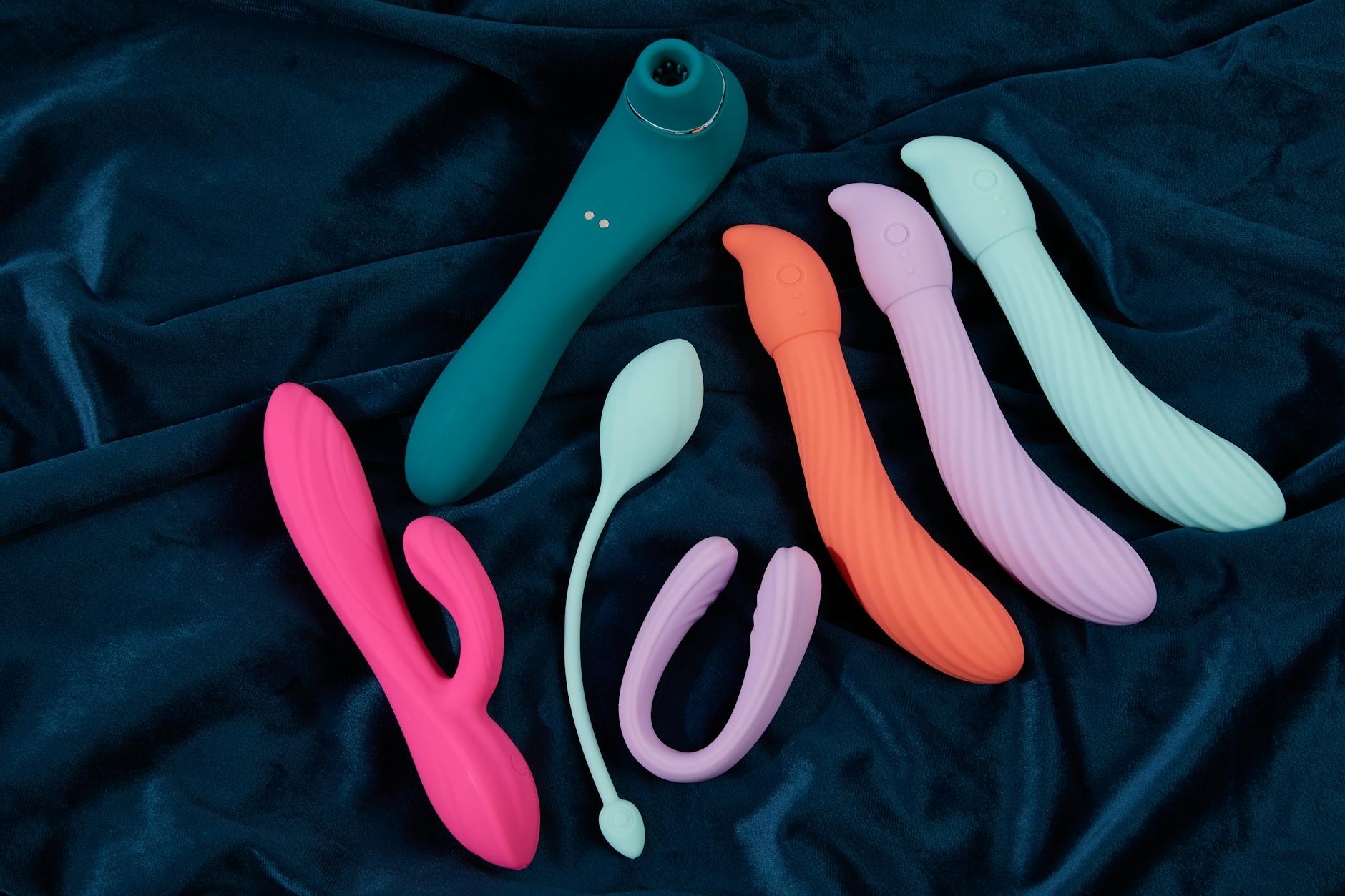
Lemon vibrators, specifically, offer something useful in this moment. They're less intimidating than many toys for couples who haven't used anything together before. They're designed for external stimulation, which means there's no performance pressure. And they create a clear permission structure: this is for your pleasure, I want to be part of that.
When you're emotionally distant from your partner, sex starts to feel like a transaction instead of a conversation. One person initiates, the other feels obligated, nobody feels desired. So it's easier to just not go there. Easier than failing. Easier than feeling rejected. Easier than performing when you're already tired of pretending everything's fine.
But here's the catch: avoiding sex makes disconnection worse, not better. Each time you don't reach for each other, the distance reinforces itself. "We don't have sex" becomes a fact about your relationship instead of a symptom.
Lemon vibrators work differently because they're not a performance. There's no where to go, no way to fail. You're not trying to have an orgasm together. You're not navigating two different rhythms or body images or fears. You're doing one simple thing: exploring what feels good.
Don't start with "We need to have sex." Start smaller. "I want to try something together" is different. Less loaded. Less like fixing a problem.
Pick a time when you're not exhausted or resentful. Not after an argument. Not at 11 p.m. when you're both defeated by the day. The energy matters because disconnected couples are already tired of each other. You need a moment where you both feel slightly present.
Create actual privacy. Not just "the kids are asleep." I mean the phones are in another room, the door is locked, you've told each other you have 30 minutes. This sounds obvious, but disconnected couples often skip it because asking for that kind of intentionality feels vulnerable. It is. That's the point.
Start clothed. This is important. You and your partner sitting together, fully dressed, just looking at a lemon clitoral vibrator together. It sounds awkward. It is awkward. But awkward is honest, and honest is what breaks the distance.
Talk about it. "What do you think this would feel like?" "Does this seem like something you'd want to try?" You're not performing desire. You're building curiosity together. That's connection.
One of you has the toy. The other person holds it. This is subtle but important. There's consent, there's communication, there's no rushing.
Start on low settings. The suction sensation is gentler than vibration, which makes it less overwhelming if you're touch-starved or anxious. Slow means you can notice what's happening instead of just enduring it.
The person holding the vibrator should be paying attention, not just going through the motions. "Does this feel good?" "Want me to try a different spot?" "Should I move it faster?" These questions are not foreplay. They're the actual work of reconnecting. They're saying "your pleasure matters to me" in real time.
If you're the one receiving, let yourself actually feel it. That's the hardest part for disconnected partners. We've gotten so good at not needing things that feeling something becomes terrifying. You might want to cry. You might feel nothing at first. Both are fine. Stay present anyway.
The person with the toy can also experience pleasure. You can take turns. You can both be receiving at different times in the same session. There's no rule that says one person uses the lemon vibrator and the other watches. You're both allowed to want something.
Using a lemon clitoral vibrator together forces a conversation that disconnected couples need to have: "What do you actually want from me?" Not in an accusatory way. In a practical way.
When you're present while your partner experiences pleasure, you remember something. You remember that they're a person. That they feel things. That they're not just the person who forgot to take out the trash or didn't call you back. They're someone whose body lights up when they're touched the right way.
And when your partner is present while you experience pleasure, you're allowing them to see you as someone who deserves good things. Not as a parent, not as a provider, not as someone who should be fine with less. As someone who matters enough to touch gently.
This shift, if it lands, can be a beginning. Not a fix. But a beginning.
Using lemon vibrators together is not the same as reconnecting. But it's a doorway. After you've done this a few times, you might notice something changes. You text each other during the day a little differently. You sit closer on the couch. You ask about something real instead of trading logistics.
If it doesn't shift anything, that's also useful information. It tells you that the disconnection is deeper than touch can reach. And that might mean you need a therapist, or a real conversation about what you both want from this relationship. A lemon sucker can't fix a relationship where one person has checked out. But it can tell you whether both people are still willing to try.
The therapist in me wants to be clear: sex tools are tools, not solutions. If you're disconnected because you're being treated badly, or because you fundamentally don't want to be in the relationship, no vibrator is going to change that. But if you're disconnected because you've both retreated and forgotten how to be tender together, lemon vibrators give you a low-stakes way to remember.
That's important information. Ask why. "Does it seem weird?" "Are you worried about something?" "Is now the wrong time?" Some people need more context, or more reassurance that you're not replacing them, or just a longer runway before they try anything new. That conversation is the actual reconnection work, even if the vibrator never gets involved.
If your partner refuses because they're not interested in your pleasure at all, that's a different problem. That's not disconnection. That's indifference. And that might mean the relationship needs more help than intimacy tools can provide.
No. It can help two people who still love each other remember why. But if the relationship is broken because of infidelity, abuse, incompatible life goals, or someone who's genuinely done trying, a lemon clitoral vibrator won't fix it. What it can do is show you whether both people are still willing to be vulnerable together. That's worth knowing.
Expect awkward. Disconnected couples are out of practice with each other. Awkward is actually the right starting point because it's honest. You're both choosing to be present in something uncomfortable together. That's the real work.
If nothing happens physically, that's fine too. The orgasm is not the goal. The attention is. The presence is. If you spend 20 minutes paying attention to each other's pleasure, that's a success even if nothing else occurs.
Yes, but gently. Not a postmortem. Not a therapy session. Just something like "That was nice" or "I want to do that again" or "Can we try this next time?" Keep it simple. The talking is secondary to the being present.
That happens. Sometimes when you try to connect and it doesn't work, the failure stings more than the distance did. If that occurs, take a break. Don't force it. But do notice it. If you both want to reconnect and a direct approach doesn't land, that might be the moment to bring in a therapist who specializes in couples work. Sometimes the gap is bigger than a tool can bridge alone.
Absolutely. If penetrative sex feels too loaded right now, or if one person isn't ready to be touched, this is a beautiful in-between option. One person explores their own pleasure while their partner is there, present, watching. There's vulnerability in being seen while you're pleasure seeking. There's also real intimacy in it.
If you've tried using a lemon vibrator together and the distance doesn't shift, or if it gets worse, that's not a sign you're doing it wrong. It's a sign that the disconnection might have different roots. Sometimes people are distant because they're grieving. Sometimes because one person has changed and the other hasn't. Sometimes because there's infidelity or betrayal underneath that needs to be addressed first.
A marriage and family therapist can help you figure out what's actually driving the distance. I'm not saying that lightly. Couples therapy is not a last resort. It's a tool, like the vibrator, but for the bigger conversation.
But sometimes, reconnection is as simple as deciding to be present together, with intention, and allowing pleasure to be part of that. A lemon clitoral vibrator from Hello Nancy can be the permission slip you both need to try.