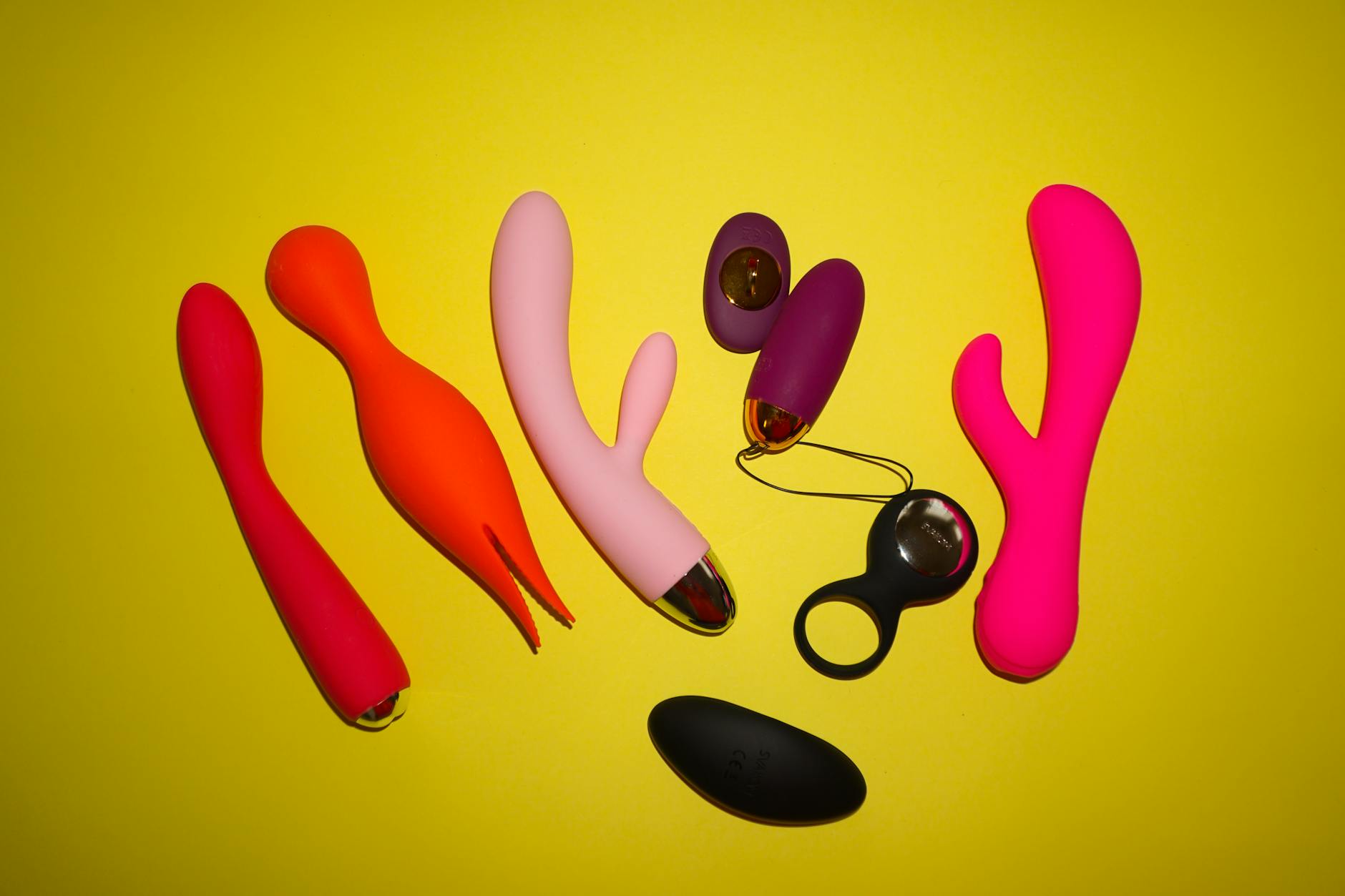
How to Use Lemon Vibrators With a Partner When You're Both Learning Pleasure Together
The honest guide to introducing clitoral vibrators into partnered sex when neither of you has done it before. Communication, timing, and why air-suction toys feel less intimidating.
Will introducing a toy feel like you're not enough? Will your partner think you need something they can't give? Here's the thing. Most couples who successfully bring lemon vibrators into their sex life report the opposite. They feel closer, more connected, and more inventive together. But that only happens if you do the groundwork first.
Most couples fall into one of three hesitation patterns. The first is purely logistical: "We don't know how to actually use it together." The second is emotional: "My partner might feel replaced or inadequate." The third is informational: "We don't know which toy to start with or how to even bring it up."
These are all legitimate. And all fixable.
The research is clear. Couples who use toys together report higher sexual satisfaction, more frequent sex, and better communication overall. The toy isn't the hero of the story. The conversation is. The toy is just what you do once you've already decided that exploring pleasure together matters more than staying in your comfort zone.
Timing matters more than words. Don't bring it up during sex, during an argument, or when you're scrolling on your phone. Bring it up in a moment of genuine connection. Could be over coffee. Could be after a walk. Could be in bed, not during sex, but in a moment when you're close and talking about something real.
Here's the frame that actually works: "I've been thinking about trying something new together in bed. Not because anything's wrong. Because I want to explore more with you." That's it. You're naming it as a "we" thing, not a "you need to do this" thing.
If your partner seems hesitant, don't push. Ask what they're worried about. Listen. Most worries dissolve once they're named. "I'm worried you'll like the toy more than me" is real and common. The answer isn't to convince them they're wrong. It's to say, "That's not how this works. This is something I want to experience with you, not instead of you."
Lemon clitoral vibrators use air-suction technology, which feels fundamentally different from traditional vibration. This matters for couples because it's a genuinely novel sensation for both partners. Neither of you has much frame of reference, so you're exploring this together instead of one person knowing what they like and the other feeling like they're catching up.
The sensation itself is more subtle than you might expect. It's concentrated, rhythmic, and responsive to movement in a way that partners find less intimidating. You're not adding a loud, obviously mechanical presence to your sex life. You're introducing something that feels almost intimate in how focused it is.
For someone using a lemon vibrator for the first time with a partner present, the experience often feels collaborative instead of solitary. Your partner can adjust the intensity, can see how you respond, can pause and check in. It's not a thing happening to you in isolation. It's something you're doing together.
First time? Start with both of you clothed or half-clothed. Introduce the toy outside of full sex. Hold it together. Let your partner feel the sensation on their own hand or arm first so it's not a mysterious object. This sounds simple, but it changes everything. Demystification kills awkwardness.
When you do bring it into partnered sex, lemon vibrators work best when your partner is using it on you while they're also inside you or engaged with other parts of your body. This isn't about replacing their touch. It's about them having a new tool to create sensations you can't create alone.
Start on the lowest setting. Most couples instinctively crank it up, assuming higher is better. It's not. Low settings allow you both to feel what's actually happening and adjust. You can always go higher. You can't un-startle yourselves.
Timing inside partnered sex matters too. Many couples find that bringing in a lemon vibrator once penetration is already happening works better than starting with it. Your nervous system is already engaged. The addition of the clitoral vibrator then feels like an enhancement rather than a thing you have to warm up to.
Weirdness during the first time is normal and not a sign that you shouldn't try. Most couples report that the weirdness dissolves after thirty seconds of actually using it. Your brain catches up and goes, "Oh. This is just pleasure. That's fine."
But if one of you consistently feels off about it, pause. Not forever. Just for that session. Ask what part felt weird. Was it the sensation? The idea of the toy? Feeling watched? Feeling like they weren't enough? Each of these needs a different response.
If it's the sensation, try a different setting or a different toy. If it's the idea of the toy, you might need more conversation time before trying again. If one of you felt self-conscious about being watched, you might find that dimmer lighting or focusing on sensation rather than visuals helps. If one of you felt inadequate, that's the deepest conversation, and it's worth having without the toy involved.
The first time feels like the biggest deal. It's not. It's the second and third time that actually matter for building genuine comfort. By the third time, most couples have stopped overthinking it and started enjoying it.
Expect that using a lemon vibrator together will feel different each time, depending on stress, hormones, and what else is going on in your relationship. Some sessions will feel amazing. Some will feel neutral. That's okay. Sex is not supposed to be consistently perfect. It's supposed to be consistently exploratory.
Many couples find that once they've used a toy together, they're more comfortable talking about pleasure in general. You learn each other's preferences faster. You stop assuming you know what feels good and start asking. You build intimacy not just from the sex itself, but from the willingness to try something slightly outside your comfort zone together.
If one partner is consistently unwilling to try or feels resentful about the suggestion, that's worth exploring together. Sometimes resistance to toys isn't really about the toy. It's about feeling like control is shifting or like there's something unspoken going on in the relationship. A therapist who works with couples on intimacy can help you untangle what's actually happening underneath.
If using toys together is genuinely exciting for both of you but something about the experience feels off physically, that's also worth checking in about with a healthcare provider. Sometimes discomfort during partnered sex points to something medical that has nothing to do with the toy itself.
Once you get past the initial awkwardness, lemon vibrators become less of a big deal and more of a regular part of your intimate life. Some couples use them every time. Some use them occasionally. Most report that having options feels good, even if they don't use the toy every session.
The deeper shift is often in the conversation. Once you've said, "Let's try this together," it becomes easier to say other things. What feels good. What doesn't. What you want to try next. Your partner stops feeling like a mind reader and becomes an actual collaborator in your pleasure.
That's the thing nobody tells you about introducing toys to partnered sex. The toy is just the entry point. The real change is in your willingness to be explicit about pleasure with someone you care about. And honestly? That's the intimacy part that lasts way longer than the novelty of the toy itself.
Not in the way you're probably worried about. If anything, couples who explore toys together report feeling more attuned to each other's bodies. Your partner learns where you're sensitive, what patterns feel good, how your body responds. That knowledge transfers back into all of your sex, not just sessions with the toy. The vibrator becomes information, not a replacement.
You ask directly. Not once. Multiple times. Before, during, and after. "Does this actually feel good or are you tolerating it?" is a real sentence you can say. The answer matters more than the yes. If your partner is consistently tolerating rather than enjoying, the conversation shifts. Maybe you try a different toy. Maybe you find a different way to explore. Maybe you both acknowledge it's not for you right now and that's genuinely fine.
They can. Not because the toy is magical, but because introducing it forces you to have conversations about pleasure you probably weren't having before. The vibrator becomes an excuse to talk about what you actually want. That conversation is what improves your sex life. The toy is just the catalyst.
It usually doesn't mean anything except that your partner wants to feel good and trusts you enough to explore that with you. The meaning you assign to it lives in your head, not in the toy or your partner's motivation. If you're worried it means something specific, ask. "When you want to try this, what are you hoping for?" The answer is probably simpler than your anxiety is suggesting.
There's no should. Start with once or twice to get comfortable. Some couples find they want to use them regularly. Others find they're more of an occasional thing. Your frequency will probably change over time depending on stress, travel, life stuff. That's completely normal. The goal is option, not obligation.
Yes, but not in a clinical way. You're not signing a contract. You're just saying things like, "If this doesn't feel good, I'll say so" and "We can stop whenever we want." That's it. The permission to pause matters more than a detailed rulebook. Most couples find their actual boundaries once they're exploring, not before.