How to Use Lemon Vibrators With Sensitive Areas: A Complete Guide
Lemon clitoral vibrators are powerful tools, but they demand respect around tender tissue. Learn the exact techniques, settings, and boundaries that turn intensity into pure pleasure without pain.
Here's the thing about lemon vibrators—they're phenomenal at delivering focused stimulation, but that same precision that makes them so effective can also overwhelm sensitive tissue if you don't know what you're doing. I'm not saying you need to be afraid of them. I'm saying you need to be intentional.
The good news? Once you learn the right approach, sensitive areas and powerful vibrators aren't a mismatch. They're a combination that can unlock sensations you didn't know were possible. The trick is understanding how your body works, what your lemon clitoral vibrator can do, and where the boundaries are.
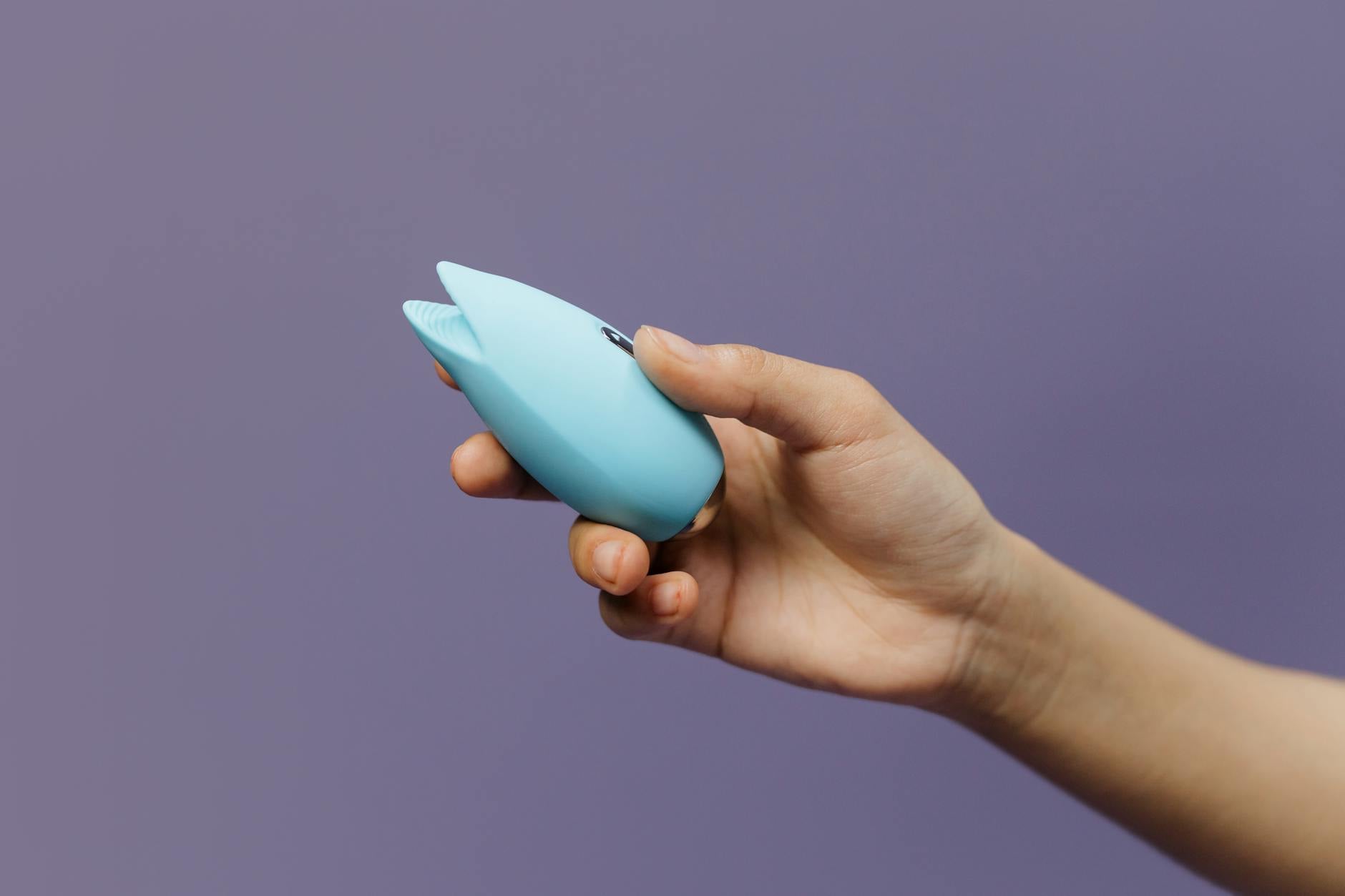
Sensitivity isn't a weakness. It's information. Your nervous system is telling you something matters, which is actually what you want when you're chasing pleasure. But lemon sexual toys like The Lem operate at a higher intensity level than many other adult toys on the market, so they require more deliberate handling around delicate skin.
The clitoris itself has eight thousand nerve endings packed into a space the size of a pea. That's why even light touch can register as intense. Add menstrual cycle fluctuations, hormonal shifts, healing from childbirth or surgery, or just plain natural sensitivity, and you've got tissue that needs finesse. This isn't a reason to skip lemon vibrators entirely. It's a reason to approach them with strategy.
Every lemon vibrator has a pattern one, and that's where nearly everyone with sensitive areas should begin. Pattern one on Hello Nancy's lemon clitoral vibrators is designed to be approachable, but even so, many people are shocked by how much sensation registers at that baseline.
The temptation is to turn up the intensity quickly. Don't. Spend at least five to ten minutes—sometimes longer—at pattern one before even considering a bump up. Your tissue needs time to acclimate, and your brain needs time to map what you're feeling. Think of it like warming up before a workout. The good sensations come after your body has time to settle in.
What you're actually looking for at this stage isn't an orgasm. It's familiarity. You're learning how the vibration feels against different parts of your sensitive area, where the pressure point hits, and where you naturally want to shift the toy slightly for comfort.
Direct contact on the most sensitive part of the clitoris can feel overwhelming, even at low settings. This is completely normal and not a sign you're broken. Instead, try these angles.
Indirect contact. Place your lemon vibrator against the visible part of the clitoral hood rather than directly on the clitoral head. There's still sensation, but it's filtered through that protective layer of skin, which softens the intensity significantly. Many people find this becomes their favorite placement once they discover it.
The side approach. Angle your Hello Nancy toy to the side of the most sensitive area, hitting the surrounding vulval tissue instead of dead center. The stimulation spreads across a wider area, which distributes the sensation and makes it feel less piercing.
Pressing down lightly rather than in place. Instead of holding your lemon clitoral vibrator stationary, press gently downward with very slight rocking motions. This changes how the vibration transfers to your tissue and often feels less intense than static contact.
Experiment with each of these positions for several sessions before moving on. Your comfort zone will shift as you build familiarity with the toy.
Lubricant does two things for sensitive areas. It creates a protective barrier between your skin and the toy surface, which genuinely reduces raw sensation. And it changes the texture of contact—the toy glides rather than grips, which feels fundamentally different and often more pleasant.
Use a water-based lube with your lemon sexual toys. Apply generously. I mean more than feels necessary. The goal is a slick layer between your skin and the vibrator. As the session goes on and some lube absorbs, add more. This isn't laziness or inefficiency. It's a core part of your technique when working with sensitive areas.
Some people find that silicone lube feels richer and warmer, which can be preferable for sensitive tissue. Just remember—never use silicone lube with silicone toys. The lemon vibrator is silicone, so stick to water-based.
Sensitivity sometimes means you hit a ceiling where more stimulation stops feeling good and starts feeling raw. This is your nervous system's way of saying you've reached the edge of what your tissue can handle right now.
That ceiling is not fixed. On some days, you'll be able to go to pattern three or four. On other days, pattern two feels like too much. This fluctuates with your menstrual cycle, with stress, with how much sleep you got, with whether you're on antibiotics or other medications. None of this means something is wrong.
What it means is that you need to check in with yourself mid-session. If you notice that increasing intensity starts to feel less like pleasure and more like pressure or minor discomfort, that's your signal to stop bumping up and settle into what feels good. You can always explore more intensity another time.
If you want to explore higher patterns on your lemon vibrator eventually, that happens over time. Think weeks and months, not sessions. Your tissue adapts to stimulation gradually. Rush this process and you'll end up desensitized or sore, which just sets you back.
A realistic progression might look like: three weeks at patterns one and two, then introducing pattern three for one session every other week, while still mostly using patterns one and two. Another month or two at that level, then considering pattern four. This isn't slow. It's how adaptation actually works physiologically.
Some people never go beyond pattern three with their lemon clitoral vibrators, and that's completely fine. The higher patterns aren't better. They're just different. Your job is finding what creates pleasure for you, not proving you can handle maximum intensity.
If you're using your lemon sexual toys with a partner, their hands become part of your sensitivity management. They can hold the vibrator with different pressure than you'd apply solo, or they can use their other hand to anchor skin or provide grounding touch elsewhere on your body.
Some couples find that their partner controlling the toy while they focus on breathing and sensation allows them to relax more deeply, which actually makes sensitive areas less reactive. Others prefer solo exploration first, then bringing the toy into partnered play once they're confident in their own technique.
Communication here is crucial. Tell your partner what patterns and positions feel best, and let them know that what works one day might feel different the next day. This isn't you changing your mind. It's you being sensitive to what your body needs.
Pleasure should never hurt. If you're experiencing sharp pain, burning, or any sensation that makes you want to pull away, stop immediately. Pain with a lemon vibrator usually means one of three things: you're using it at too high an intensity for your current tissue state, you need more lubrication, or there's an underlying issue like an infection or healing process that needs attention.
If pain persists even at the lowest setting and with plenty of lube, see a gynecologist. Sometimes sensitivity is a sign that something needs professional attention, and that's worth knowing.
Here's something nobody talks about—the mental component of this. When you have sensitive areas, there's often anxiety wrapped around using powerful toys. You worry you'll hurt yourself. You expect it to be overwhelming. You brace.
Bracing is the enemy of pleasure. Your pelvic floor tightens, your nervous system goes into protection mode, and sensation that could feel amazing starts to feel alarming instead.
The antidote is going slow enough that your brain trusts what's happening. When you spend real time at pattern one, when you use lube generously, when you stop before things get uncomfortable, your nervous system learns that this toy is safe. That shift from anxiety to trust is when lemon vibrators with sensitive areas actually become transcendent.
After each use, wash your lemon clitoral vibrator with warm water and a tiny drop of unscented soap. Dry it fully before storing. This isn't just about toy cleanliness. It's about preventing irritation. If soap or other residue transfers to sensitive tissue, it can amplify sensitivity in ways that feel unpleasant.
Store your toy in a clean, cool place. Heat can degrade silicone slightly and make it less smooth, which matters more when you're working with sensitive areas. A dedicated toy bag or drawer is worth the investment.
Tissue adaptation typically takes three to four weeks of regular use before you notice a shift. But "regular" doesn't mean daily. Two to three times per week is plenty. Pushing for more frequent sessions doesn't speed up the process and can actually backfire, making tissue more reactive rather than less.
It depends on your specific condition and how it manifests. Some people with vulvodynia find that certain toy patterns feel soothing, while others find any vibration aggravating. Start at the absolute lowest intensity, use abundant lubrication, and consider working with a pelvic floor physical therapist who can give you guidance specific to your diagnosis. Many of them have experience with adult toys and can help you figure out what's safe for you.
If even the lowest setting on your lemon sexual toy feels overwhelming, try these: use a lot more lube, make sure you're getting indirect contact rather than direct clitoral contact, build in longer warm-up time with hands or other stimulation before introducing the toy, or experiment with external touch through clothing rather than direct skin contact. Some people find that a bullet vibrator or less powerful toy is a better starting point before graduating to a more intense lemon vibrator.
Yes, dramatically. Most people find they can handle higher intensity in the middle of their cycle and are much more sensitive during the luteal phase (after ovulation) and during menstruation. Track when you use your Hello Nancy toy and how it feels. You'll likely notice a pattern that tells you when to lean into lower intensities and when you can explore more.
The Berri clitoral vibrator is slightly less intense than The Lem and can be a gentler entry point if you have sensitive tissue. That said, technique matters more than the specific toy. Even a more powerful lemon clitoral vibrator becomes manageable with the right approach. Start with whatever toy you have and use the strategies in this guide.
Short of opening it up (don't do that), the answer is mostly no. But you can effectively reduce intensity through positioning, lubrication, indirect contact, and pattern selection. These adjustments matter far more than the toy itself.
Sensitive areas and lemon vibrators aren't incompatible. They just require respect and intentionality. Start low, stay there, use lube, pay attention to what feels good versus what feels like too much, and give your body time to adapt. That's it. Your sensitivity isn't a limitation. It's information you can use to make pleasure work brilliantly for you.
If you want more support navigating pleasure and intimacy, especially around sensitivity or recovery, reach out to Hello Nancy. We're here to help.