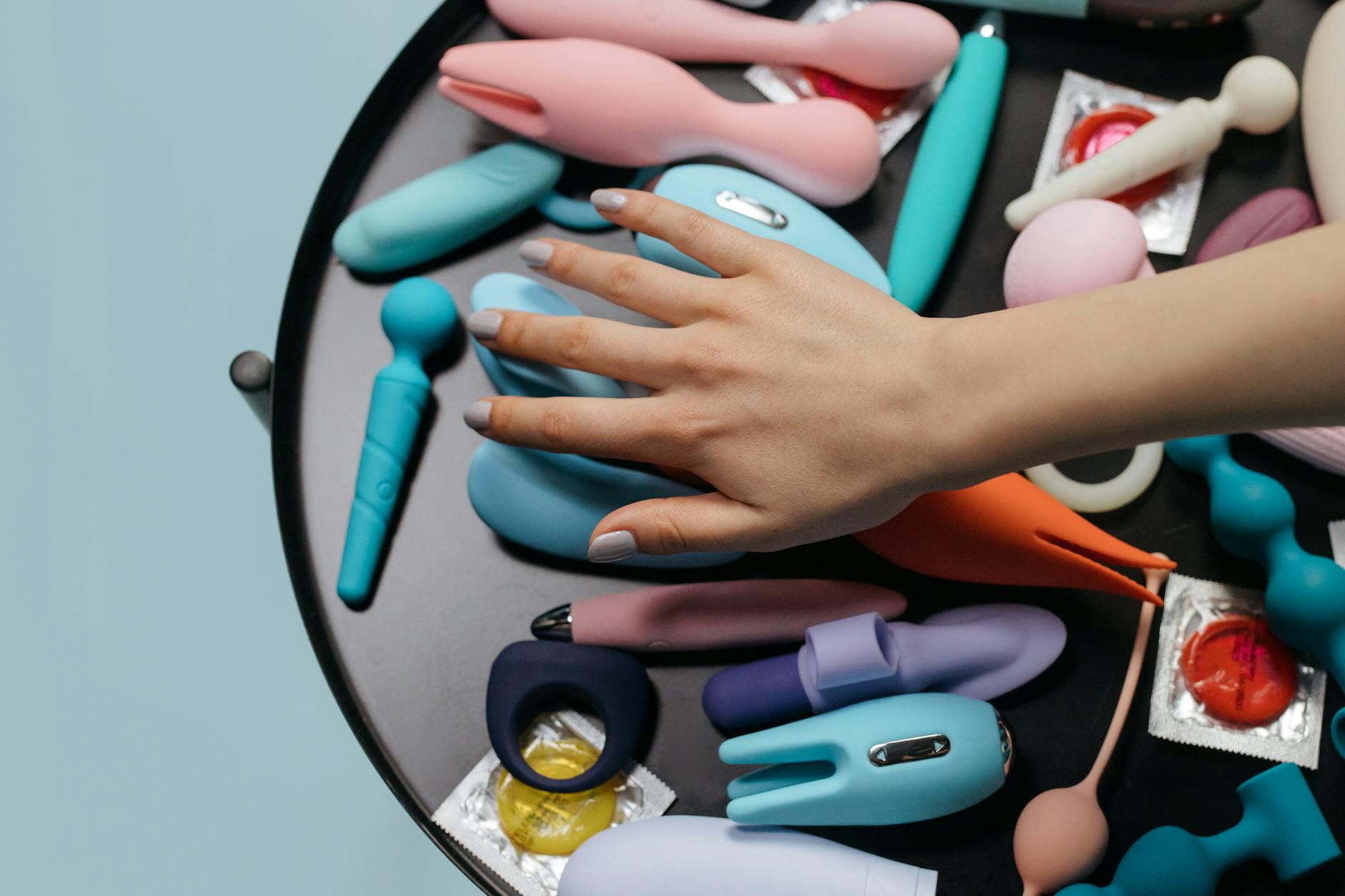
How to Use Lemon Vibrators During Postpartum Recovery Without Pain
Your body just did something extraordinary. Here's how to reconnect with pleasure safely, timing it right, and using lemon vibrators as part of healing, not rushing it.
Your body just grew and birthed a human. Pleasure feels like it's on another planet right now. That's not a flaw in your recovery. That's normal, manageable, and completely temporary.
The thing is, pleasure doesn't have to wait until everything feels "normal" again. It just needs timing, gentleness, and the right tools. Lemon vibrators, specifically their gentle suction technology, can actually support your recovery rather than complicate it. If you do it right.
Let's start with what's actually happening down there, because the messaging around postpartum recovery is either "wait 6 weeks" or "you'll be fine" and both miss the nuance.
If you gave birth vaginally, your tissues need time to heal. Stitches dissolve, swelling goes down, and your nervous system needs to relearn what touch feels like. The bleeding (lochia) typically lasts 2-6 weeks, sometimes longer. That's not just flow. Your uterus is actively shedding tissue, and adding vibration to that is genuinely not the move.
If you had a C-section, your abdomen is healing from surgery. The internal stitches dissolve over time, but external healing takes weeks. Adding vibration near an incision site can irritate tissue and slow the healing cascade your body's running.
But here's what happens after that initial window: sensation returns. Arousal can return. And many people find that reintroducing pleasure during recovery, done carefully, actually speeds up the emotional and physical reconnection process.
Your OB or midwife will likely clear you for "penetrative sex" around 6 weeks postpartum, assuming complications haven't happened. But that's a medical floor, not a personal readiness indicator.
For lemon clitoral vibrators, the timeline is different. You can explore external clitoral pleasure much earlier than that, but only if bleeding has stopped and only if your body signals it's ready.
Three checkpoints before you even think about using a lemon vibrator postpartum:
First, lochia needs to have ended or lightened dramatically. Heavy bleeding plus vibration is a no. Second, pain needs to be manageable. Some tenderness is normal. Sharp pain, tearing sensations, or deep cramping means wait longer. Third, your emotional state matters as much as your physical state. Postpartum depression and anxiety affect desire more than most recovery guides admit. If you're feeling flat or overwhelmed, reconnecting with pleasure can help, but forcing it won't.
The suction technology in lemon clitoral vibrators works differently than traditional vibrators. Instead of rapid vibrations, they use gentle rhythmic pulses that create a sensation closer to oral sex. This matters postpartum because your tissues are hypersensitive. Traditional vibrators can feel overwhelming or even painful during recovery.
Lemon vibrators' lower-intensity patterns (start at setting 1 or 2) give you precise control. You're not managing overwhelming sensation while your nervous system is already managing recovery hormones, sleep deprivation, and emotional shifts.
They're also quieter, which matters when you have a newborn in the house and your brain needs zero additional stressors.
Assume you're cleared for sex or very close to it. Your bleeding has stopped. Pain is minimal and manageable. Here's how to actually do this.
Start with solo exploration. You need privacy, mental space, and zero performance pressure. Your partner will want to be part of this eventually. Not now. This is about your body learning what feels good to you, on your timeline, without anyone else's expectations in the room.
Use waterproof lube. Postpartum tissues are naturally drier because hormones are in flux. Even if things feel okay, adding lube reduces friction and tension. Water-based lube is safest for lemon adult toys and most effective on sensitive tissue.
Start at the lowest intensity. The first and second settings on a lemon vibrator are already gentle. Use them. Your nervous system needs time to remember arousal. Jumping to higher intensities overrides that process.
Keep sessions short. 5-10 minutes to start. Your pelvic floor is still recovering. Extended engagement fatigues muscles that are already working hard just keeping your body upright with newborn-induced sleep deprivation.
Stop if anything feels wrong. Sharp pain, increased bleeding, or sudden cramping means stop immediately and check in with your provider. This is not "push through it" territory.
Here's where it gets relational, and also where most postpartum couples get stuck.
Your partner may have their own anxiety about postpartum sex. They're worried about hurting you. They're unsure what counts as "cleared." They're running on the same sleep schedule as you, which is to say almost no sleep. Your desire might not sync with theirs, and that's not a sign anything is wrong. It's a sign you both need reassurance and patience.
Start the conversation before you actually have sex, not during. "I've been exploring pleasure again, and I'd like us to reconnect" is different than "I'm ready" during a moment that feels pressured. You're giving information, not issuing an invitation.
When you do invite your partner in, using a lemon clitoral vibrator can actually make things easier. You control the intensity. It takes pressure off them to "make it work." You get pleasure from clitoral stimulation, which is often more accessible postpartum than other forms of sex. Your partner can be present and connected without the performance weight of penetration.
Increased bleeding after sex is a signal to pause. Not forever. Just pause for a few days. Your uterus is still healing, and additional activity can aggravate the process.
Pain during or after sex means something isn't ready yet. Postpartum sex should not hurt. If it does, check with your care provider before assuming you need to wait it out. Sometimes scar tissue needs attention. Sometimes thrush is present. Sometimes you genuinely just need more time.
Pelvic floor dysfunction is real postpartum, and vibration can sometimes expose it. If you feel heaviness, pressure, or a sensation of falling internally when you use a lemon vibrator, pause and mention it to your provider. That's not a sign vibrators are bad. That's a sign your pelvic floor needs specific support.
Honestly, this is where most postpartum sex advice falls apart. The practical stuff is straightforward. The emotional stuff is chaos.
You might feel touched out. Your baby is touching you constantly, skin to skin, feeding, needing. Your body feels less like yours. Adding intentional touch might feel like one more demand on your body. Or it might feel like the first time your body has felt like yours in months.
Both are valid. And pleasure doesn't have to look like what it looked like before.
You might have triggered postpartum anxiety around sex, especially if birth was complicated or traumatic. Reconnecting with pleasure might feel necessary for your relationship, or it might feel terrifying. If it feels terrifying, explore that with a therapist or a provider trained in postpartum mental health, not just a partner or a friend. This isn't something you need to push through.
Most importantly, pleasure postpartum is not a timeline to hit. It's a capacity to rebuild. Using lemon sexual toys early in that rebuilding, with patience and gentleness, can actually help you reconnect with your body as a source of sensation and joy, not just functionality.
Lochia (postpartum bleeding) typically lasts 2-6 weeks, and you'll want it to have stopped or nearly stopped before using any vibrator. Beyond that, it depends on your specific healing. If you had a straightforward vaginal delivery and bleeding has stopped by week 4 or 5, external clitoral stimulation with a lemon vibrator might be fine. If you had tearing, an episiotomy, or a C-section, give yourself more time. Your provider can give you a clearer timeline based on your specific recovery.
Yes, if you use it too early or too intensely. Vibration increases blood flow to the area, which can restart or increase lochia that was already tapering. That's why timing matters. Once your bleeding has genuinely stopped and your tissues have had time to heal, using a lemon vibrator at low intensity shouldn't cause bleeding. If it does, step back and check with your provider.
Absolutely. There's no connection between clitoral vibration and milk supply or composition. The only consideration is your energy level and comfort. Breastfeeding is physically demanding, and you might have less bandwidth for pleasure right now. That's not because it's unsafe. It's because you're running on fumes. When you have energy and desire, lemon adult toys are completely safe.
Actually, maybe a bit later. Your abdominal incision needs 6-8 weeks to close fully, and your internal stitches take even longer. During those weeks, your body is directing healing resources to the surgery site. Adding vibration to an already overwhelmed nervous system might not serve your recovery. Once you're cleared for sex and your incision is fully healed and pain-free, external clitoral vibration is safe. But don't rush it just because it's external.
Information helps. Share with your partner that using a lemon clitoral vibrator postpartum is about you reconnecting with your own body first, and reconnecting as a couple second. It's not pressure on them to "perform." It's actually pressure off, because you're managing your own pleasure. Let them know it's okay to move slowly, to stop anytime, and that their anxiety is normal. If you'd both benefit from explicit permission to take things slowly, consider checking out resources on reconnecting after relationship transitions, which applies here too.
It depends. If you're in active depression or severe anxiety, adding pressure to have sex or explore pleasure might backfire. That said, some people find that gentle pleasure and physical sensation actually helps them feel more connected to their bodies and less isolated. The key is consent from yourself. If your instinct is "I want to feel pleasure again," using a lemon clitoral vibrator can support that. If your instinct is "I should," pause and talk to a mental health provider first. Your wellbeing comes before any timeline.
Postpartum recovery isn't just about your incision closing or your bleeding stopping. It's about your nervous system settling, your hormones rebalancing, and your sense of self as a sensual being slowly returning. Using lemon vibrators during that process, done thoughtfully and gently, isn't rushing recovery. It's honoring the fact that pleasure is part of being fully alive, even when everything else feels topsy-turvy.