Your body just grew and pushed out a whole human. Of course things feel different. But "different" doesn't usually mean what you expect. Many people describe postpartum numbness, reduced sensation, or a deadened feeling in the vulva and clitoral area. Some report that sex feels muted, like watching it happen to someone else. This is not a sign that your pleasure is gone forever. It is, however, a sign that patience and the right approach matter.
Let me be direct: decreased sensation after childbirth is common, physiologically explainable, and often reversible. The question isn't whether you can feel again. It's how to rebuild that connection safely and without forcing it.
Three things happen during and after delivery that directly affect feeling.
Nerve pressure and temporary damage. Labor, especially with assisted delivery (forceps or vacuum), can stretch and compress the pudendal nerve, which carries sensation to the entire vulva and perineum. This pressure can last weeks or months. It's not permanent, but it's real.
Tissue trauma and swelling. Even a straightforward vaginal birth involves significant tissue stress. Swelling, scar tissue formation, and inflammation all reduce nerve signaling initially. Think of it like pressing your foot asleep. The nerve is fine. It just can't transmit clearly until the pressure releases.
Hormonal shifts. Estrogen tanks postpartum, especially if you're breastfeeding. Low estrogen thins the vulval tissue just as it does during menopause. Thinner tissue has fewer nerve endings accessible at the surface, so stimulation feels more muted. This reverses as estrogen gradually returns, but the timeline varies wildly. Some people feel it within weeks. Others take a year or more.
Most people recover some sensation within 3 to 6 months. Full recovery often takes longer. If you had a tear, an episiotomy, or a difficult delivery, your timeline might stretch closer to 12 months. This is not a reason to panic. It is a reason to understand that rushing pleasure back is counterproductive.
The worst thing you can do is push hard stimulation too early. This creates a feedback loop: reduced sensation makes you reach for stronger input, stronger input further inflames tissue, inflamed tissue feels even less. You end up more numb than you started.
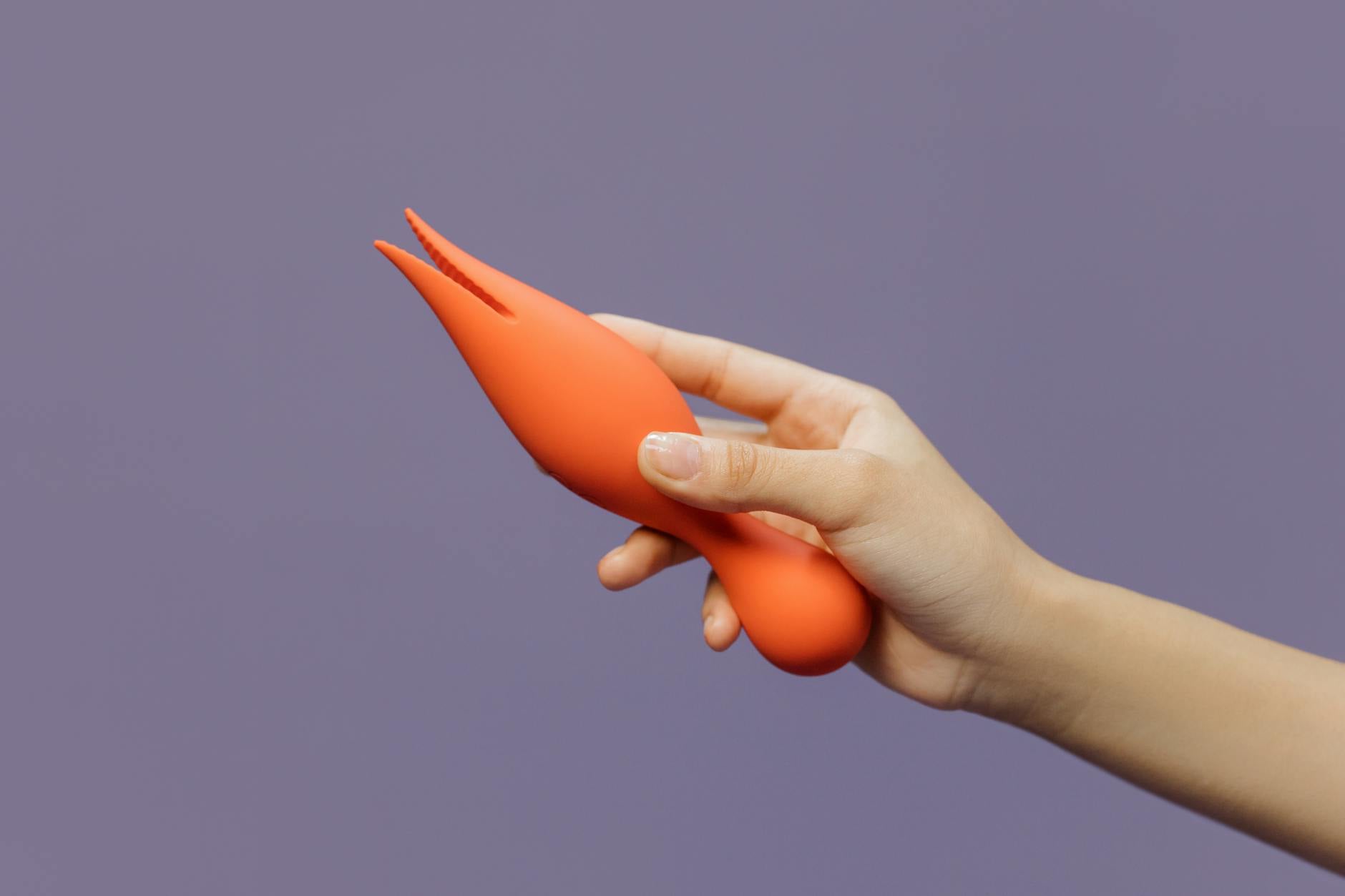
Lemon clitoral vibrators, specifically the gentle suction and pulsing designs, are well-suited to postpartum recovery because they work with reduced sensation instead of against it. They stimulate without requiring intense pressure.
Unlike traditional vibrators that rely on rapid oscillation, lemon sexual toys use pulsing air-suction technology. This means:
Lower mechanical stress. There's no harsh friction. The suction is gentle enough for tissue that's still healing but strong enough to reach deeper nerve pathways. You're not sanding your tissue raw to try to feel something.
Graduated intensity. Most lemon adult toys have multiple pattern and intensity settings. You start at the lowest level (pattern 1 or 2) and stay there for several sessions. This allows your nervous system to slowly relearn sensation without overloading damaged nerves.
Nerve engagement at multiple depths. Suction stimulates both surface nerve endings and deeper pudendal nerve branches. As surface sensation returns, the deeper pathways are already being activated. This creates a smoother progression back to full feeling.
Less aggravation. Because there's no friction, there's minimal inflammation afterward. Traditional vibrators can leave you sore, which signals to your brain that the area needs protection, which further suppresses sensation. Lemon vibrators don't carry that same aftermath.
Weeks 1 to 6 after delivery. Don't. Seriously. Your pelvic floor is in acute recovery. Orgasm actually increases bleeding postpartum (uterine contractions empty the uterus). Wait until bleeding stops and you've been cleared by your OB or midwife. This is non-negotiable.
Weeks 6 to 12. If you're cleared for penetration and sex, you're cleared to explore solo. Start with the lowest intensity and longest duration. Use a lemon clitoral vibrator at pattern 1 for 10-15 minutes. You're not chasing orgasm. You're retraining your nervous system to recognize sensation.
Weeks 12 to 24. Gradually increase intensity and experiment with different patterns. If pattern 3 feels good, stay there for two weeks before trying pattern 4. Your nervous system needs time to recognize "oh, this is pleasure" again. Rushing past this phase is where people get stuck in numbness longer.
Six months onward. Most people report noticeable sensation return by this point. Continue using your lemon vibrator, but shift focus from recovery to reconnection. Orgasm becomes possible again. This is when you can afford to experiment with intensity and speed.
Your pelvic floor muscles directly affect sensation. When they're tight (which is common postpartum, either from pain or from protective guarding), they compress nerves and restrict blood flow to the area. When they're relaxed, sensation flows.
Do gentle pelvic floor releases before using your lemon vibrator. Breathe into your pelvic floor. Imagine your pelvic floor muscles softening, melting downward. Some people find it helps to place a hand on the lower belly and imagine warmth spreading down. This isn't woo. It's neuromuscular retraining.
If you had a significant tear or episiotomy, physical therapy with a pelvic floor specialist is worth considering. They can identify scar tissue, restrictions, and nerve entrapment that you can't fix alone. One or two sessions often unlock sensation recovery that seemed stalled.
Postpartum, your body isn't just physically recovering. It's been colonized. Examined. Given to someone else. Your sensations have been monitored, managed, and sometimes overridden for safety. It's normal to feel disconnected from your body, especially the vulva and perineum. This disconnection is partly psychological and partly neurological. The good news: they reinforce each other.
As physical sensation returns, emotional reconnection often follows. As you intentionally reconnect emotionally, physical sensation tends to improve. Using a lemon vibrator solo, without pressure to perform for a partner or to orgasm on a timeline, gives you space to rebuild that relationship with your own body.
This is not a minor detail. I've worked with clients who had perfect tissue recovery but felt completely numb because they were approaching their body with resentment or fear. The opposite is also true: small amounts of consistent, gentle stimulation paired with genuine curiosity about what feels good can accelerate sensation return by months.
If you're past the one-year mark and you're still experiencing significant numbness, see a pelvic floor physical therapist. Ask specifically about pudendal nerve entrapment. If there's any pain during or after stimulation, get assessed for scar tissue adhesions. These are treatable, but they need professional hands.
Also consider hormonal assessment. If you're breastfeeding, extended low estrogen might be contributing. If you're not breastfeeding and estrogen should be back to normal, there could be another cause worth investigating.
One more thing: don't assume numbness means lack of sensation will be permanent. I've worked with people who recovered full sensation 18 months postpartum, even after thinking they never would. Your nervous system is plastic. It can rebuild. It just often takes longer than expected.
Not yet. Pain during or after use means inflammation is still active. Wait until you can comfortably touch the area without sharp sensations. Using a vibrator too early can deepen inflammation and actually delay sensation recovery. Your timeline should be pain-free-at-rest first, then gentle exploration.
Likely, yes. But orgasm isn't the goal in early recovery. It's a side effect of restored sensation. Many people find that once sensation returns to about 70 percent, orgasm becomes accessible again, especially with a tool designed for sensitive tissue like a lemon vibrator. The pulsing, adjustable intensity makes it easier to find the rhythm and pressure that works for your postpartum body.
Start with two or three times per week for 10-15 minutes at the lowest intensity. More frequent use isn't better. Your nervous system needs recovery time to process and consolidate the sensations you're reintroducing. Three consistent sessions per week will rebuild sensation faster than daily use that leaves you sore.
Almost never. The vast majority of people recover full or near-full sensation within 6 to 18 months. The timeline depends on tear severity, estrogen recovery, pelvic floor tension, and how actively you're working to rebuild sensation. Consistent, gentle stimulation with appropriate tools like lemon sexual toys can cut recovery time significantly.
Yes. Breastfeeding doesn't contraindicate pleasure or solo exploration. The main constraint is hormonal: low estrogen from breastfeeding can make sensation recovery slower, but it doesn't prevent it. If you're breastfeeding and noticing very slow sensation return (past 12 months), that might be worth discussing with a lactation consultant or doctor.
Have a conversation before you're in bed. Explain the timeline. Explain that numbness feels disconnecting and that pushing for sex before you feel ready will actually delay sensation recovery. Good partners want to support healing. Once you're using a lemon vibrator and starting to feel again, you can explore partnered touch without the pressure of full intercourse or performance. This is covered more fully in our guide on how to use lemon vibrators when you feel disconnected from your partner.
Weeks 1-6: No stimulation, healing only. Weeks 6-12: Lowest intensity, no pressure for sensation or orgasm. Weeks 12-24: Gradual intensity increase as sensation returns. Months 6+: Most people experience 80 percent sensation recovery and can use lemon clitoral vibrators more freely. Months 12-18: Full sensation recovery common, though some people take longer. It is worth remembering throughout this process that sensation recovery is not linear. You might have a week where you feel almost normal, then a week where you're back to numbness. Stress, inflammation from other causes, and hormonal fluctuations all affect your daily sensation. This is not regression. It's normal variation.
Your body built an entire human and pushed it out. Give it time. Use tools designed for sensitivity, like lemon vibrators. And remember that reduced sensation postpartum is a temporary healing response, not a permanent loss.
If you're struggling to reconnect with pleasure after birth or if you have questions about your specific recovery, reach out. That's what we're here for.